
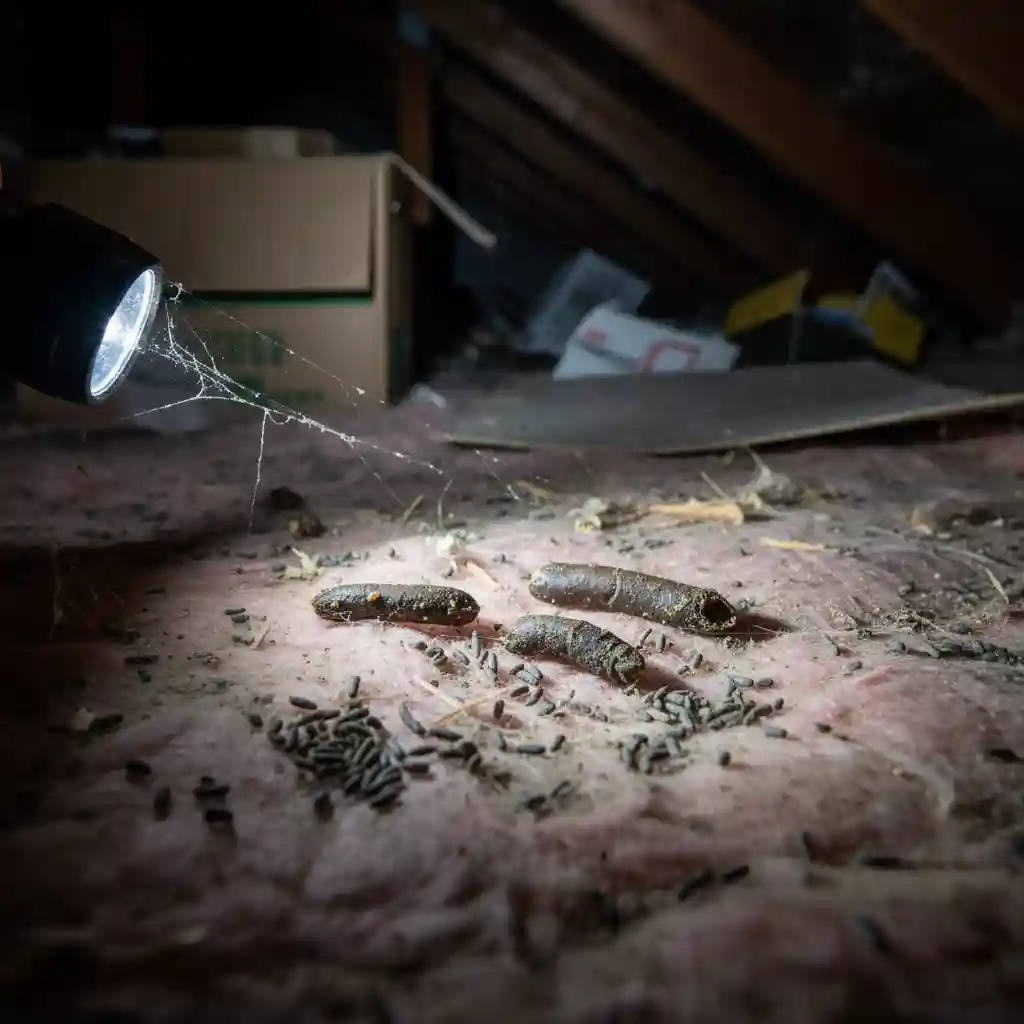
Scratching in the Attic at Night? Here’s How to Tell What It Is
You’re lying in bed, about to fall asleep, when you hear it: a faint scratching sound coming from directly above you. Is it just the house settling? Then you hear it again, louder this time—a definite skittering or a heavy thump. Your mind starts to race. What’s in my attic?
Hearing noises in your attic at night is one of the most common signs of a wildlife intrusion. But identifying the culprit is the first step to solving the problem. Different animals require different removal strategies, and knowing what you’re up against is critical.
This guide will help you become a “sound detective” to figure out if you’re dealing with a raccoon, a squirrel, a rat, or something else.
The Sound Identification Chart: What Do You Hear?
The type, timing, and volume of the noise are your biggest clues. Use this chart to narrow down the possibilities.
| Sound Description | Most Likely Culprit | Time of Day | What It Means |
| Heavy Thumping & Loud Walking | Raccoon | Primarily Night | A large animal is moving around. Raccoons are heavy-footed. |
| Fast, Light Scurrying | Rats or Mice | Primarily Night | Small, fast rodents are running across beams or inside walls. |
| Rolling or Scampering Noises | Squirrel | Day (Morning/Evening) | Squirrels are famous for hiding nuts, which sound like marbles rolling. |
| Chirping or Squeaking | Young Raccoons or Bats | Night | This often indicates a nest with babies is present. |
| Flapping or Fluttering | Bird or Bat | Any Time | An animal is likely trapped or flying inside the attic space. |
Your Nocturnal Suspects: A Deeper Dive
Let’s look at the top 3 animals that cause scratching in the attic at night.
Suspect #1: The Raccoon (The Heavyweight)
Raccoons are the most common cause of loud, disruptive noises in the attic. As nocturnal animals, their prime activity time is from sunset to sunrise—exactly when you’re trying to sleep.
Key Raccoon Sounds:
Loud thumping like a small person is walking around.
Heavy scratching as they tear at insulation or wood.
Vocal noises: They make a distinct chittering, growling, or “purring” sound, especially if babies are present in the spring.
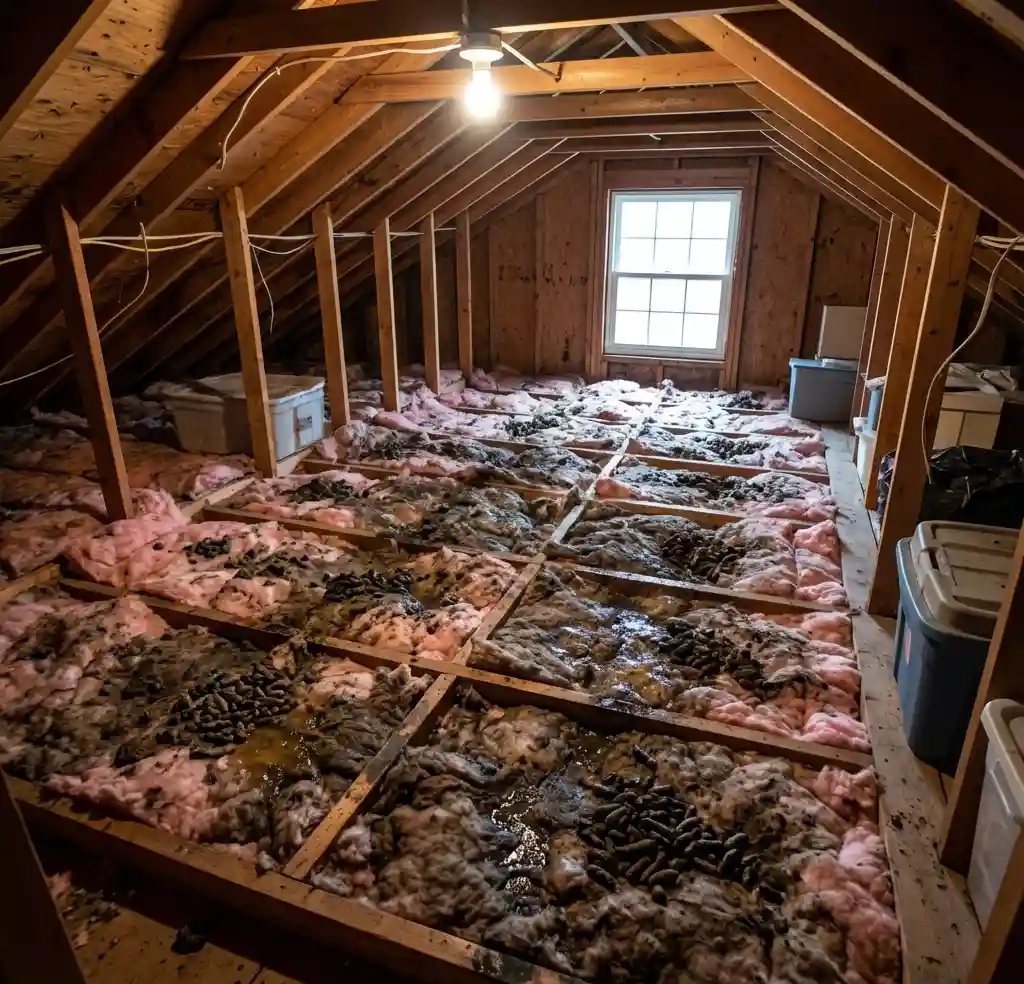
Why They’re Dangerous: Raccoons can completely destroy an attic in a short time. They rip up ductwork, tear insulation for nesting, and often designate a single area as a “latrine,” which can soak through your ceiling.
Suspect #2: Rats & Mice (The Unseen Swarm)
Rodents are quieter than raccoons, but their sounds are often more persistent and unsettling.
Key Rodent Sounds:
Fast, light pitter-patter or scurrying sounds.
Gnawing or chewing sounds, often inside walls.
Squeaking, especially if there’s a large infestation.
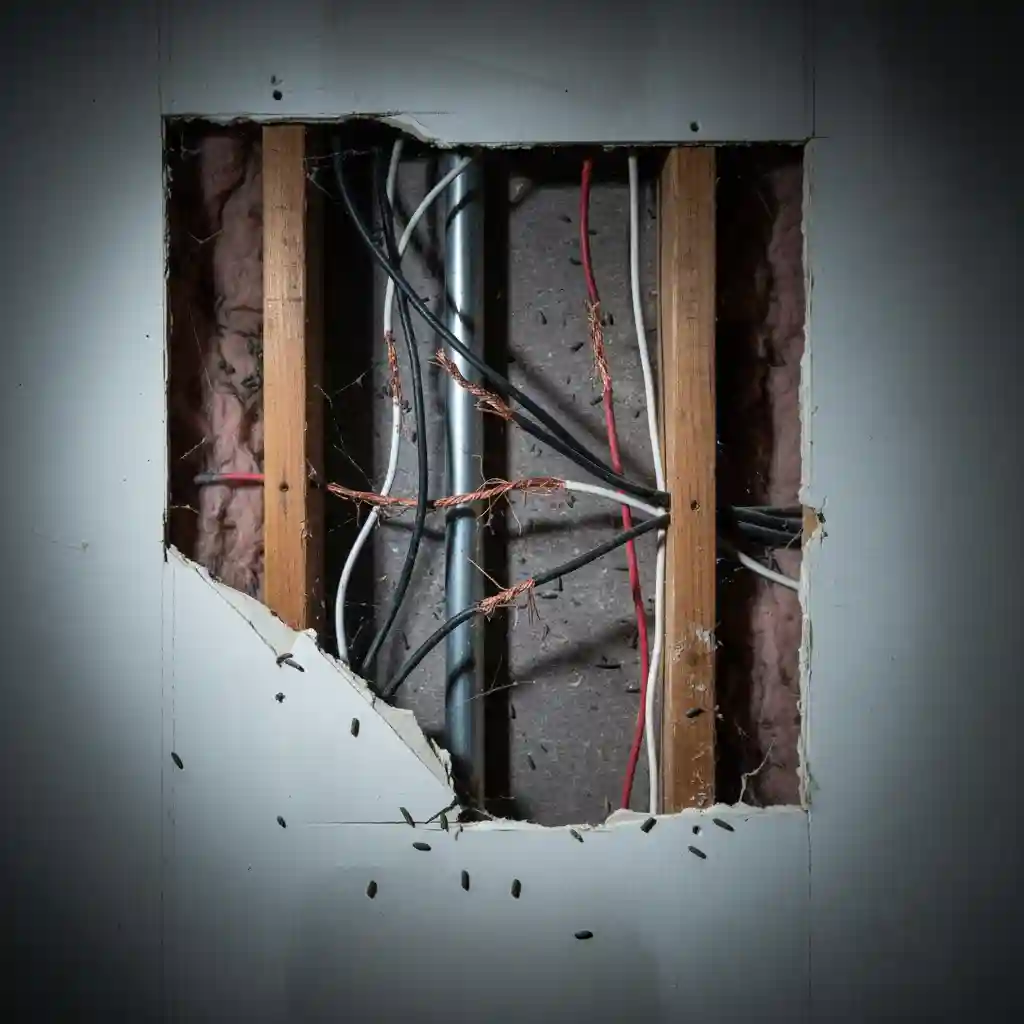
Why They’re Dangerous: The biggest threat from rats and mice is their compulsive need to chew. They frequently gnaw on electrical wiring, which is a leading cause of house fires of unknown origin. They also reproduce incredibly fast.
Suspect #3: The Squirrel (The Daytime Intruder… Usually)
While squirrels are diurnal (active during the day), you might hear them at two specific times that feel like night:
-
Just before sunrise as they wake up and leave the nest.
-
Just after sunset as they return to settle in for the night.
Key Squirrel Sounds:
-
Frantic, fast running and scampering noises.
-
The sound of nuts rolling or being buried in insulation.
-
Scratching as they sharpen their teeth on wood beams.
Do NOT Go Into the Attic Yourself!
It can be tempting to poke your head up there with a flashlight, but this is a dangerous idea.
-
Health Risk: Wild animals carry diseases and parasites (like rabies, roundworm, and fleas).
-
Safety Risk: A cornered raccoon is a formidable opponent and will defend its young aggressively.
-
Misidentification: You might see one mouse and think it’s a small problem, not realizing there are 50 more hidden in the insulation.
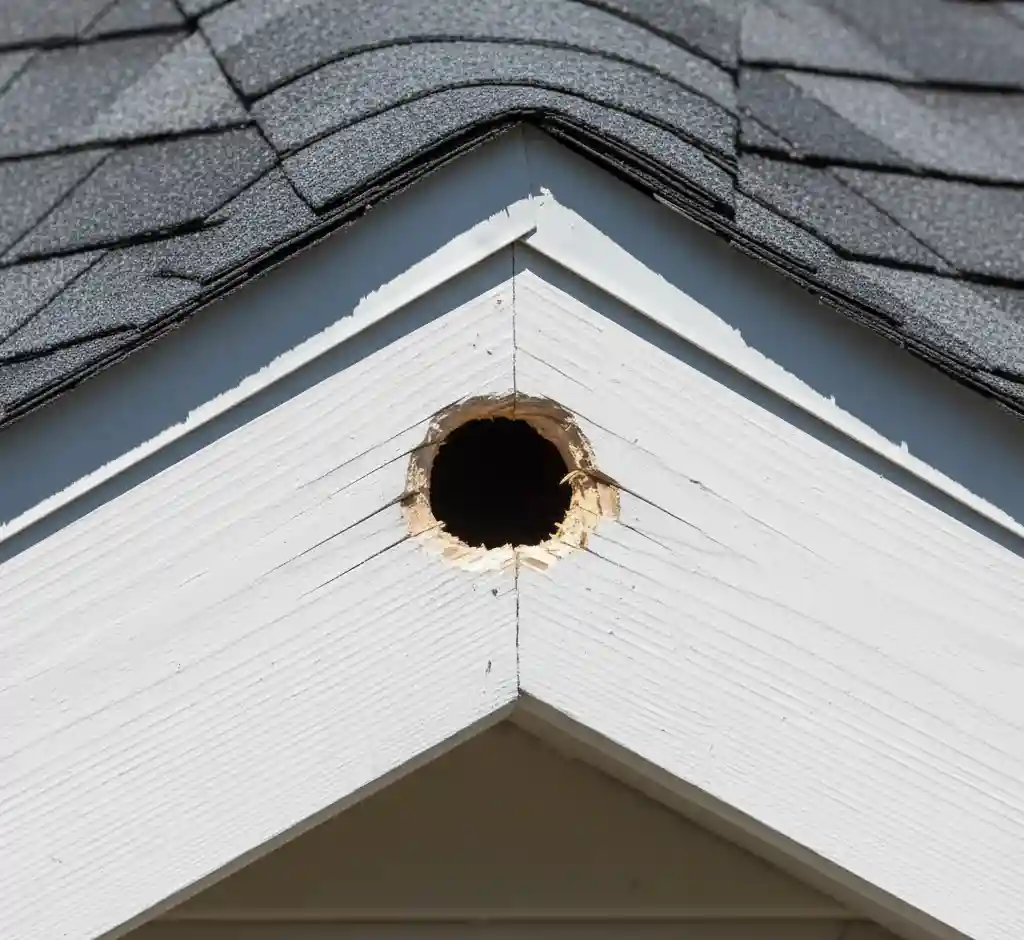
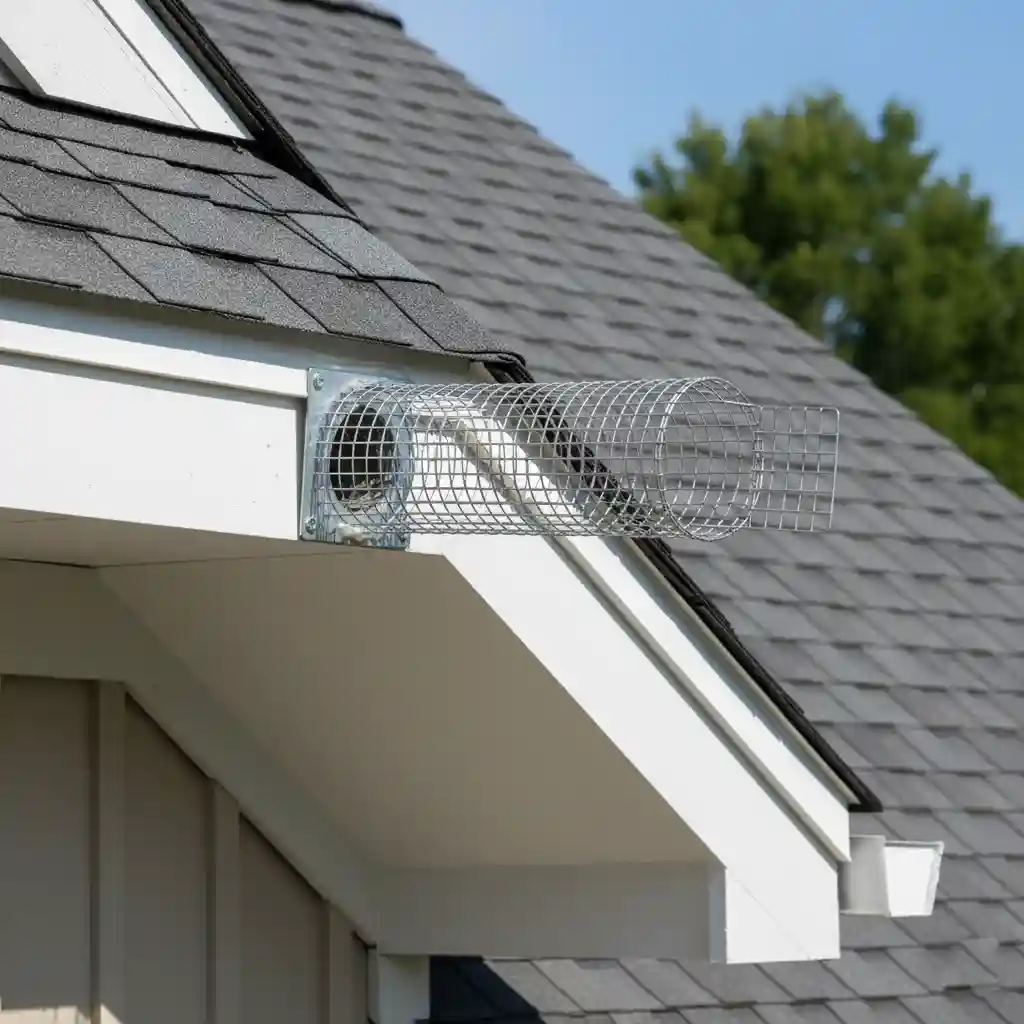
A Professional Assessment is Crucial. A licensed technician can not only identify the animal but also locate exactly how it got in—a crucial step most homeowners miss.
What to Do Next
If you are hearing any of these noises, the problem will not go away on its own. It will only get worse. The longer you wait, the more expensive the damage becomes.
Your home is your biggest investment. Protect it.
For immediate assistance and a professional inspection, call our 24/7 dispatch center. We have licensed technicians in your area ready to restore your peace of mind.