
You hear it—that frantic, light-footed scurrying sound in your ceiling. It’s too small to be a raccoon, but it’s definitely something. Your mind immediately jumps to two possibilities: is it a squirrel or a rat?
Knowing the difference is crucial. While both are rodents that can cause serious damage, they have different behaviors, pose different risks, and require completely different removal and exclusion strategies. Misidentifying the pest can lead to wasted time, money, and continued damage to your home.
This guide breaks down the 7 key differences to help you determine exactly who your uninvited guest is.
1. The Sound: Timing is Everything
This is your most important clue. One is an early bird; the other is a creature of the night.
-
Squirrels (Diurnal): Squirrels are active during the day. You will most likely hear them shortly after sunrise as they leave to forage, and again in the late afternoon or evening as they return to nest. Their noises are often described as a frantic, fast-paced scampering or the sound of something rolling, like nuts.
-
Rats (Nocturnal): Roof rats and Norway rats are active at night. The scratching, gnawing, and scurrying will begin well after sunset and continue throughout the night, often directly above your bedroom while you’re trying to sleep.
Pro Tip: If you’re hearing noises in the middle of the day, it’s almost certainly a squirrel. If the noise is exclusively between 10 PM and 4 AM, you are dealing with rats or mice.
2. The Droppings: Size and Shape Matter
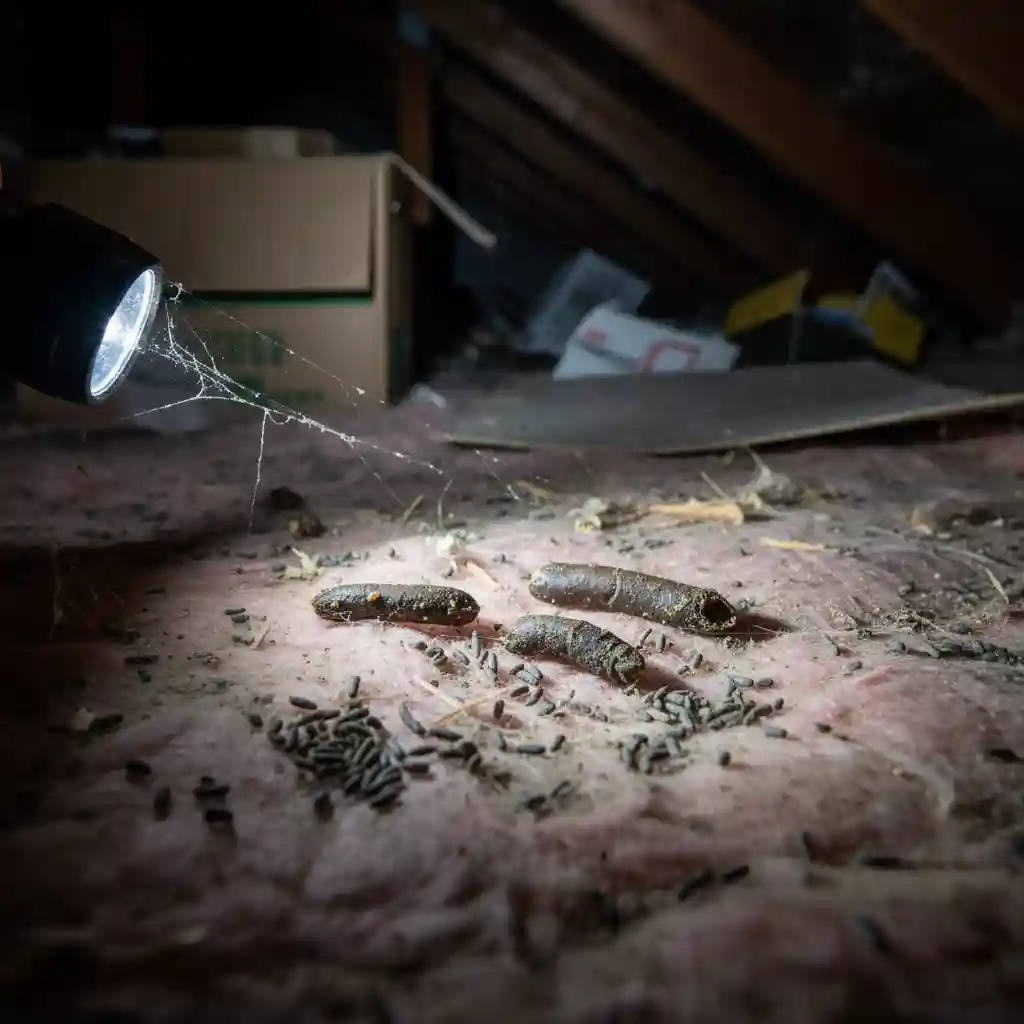
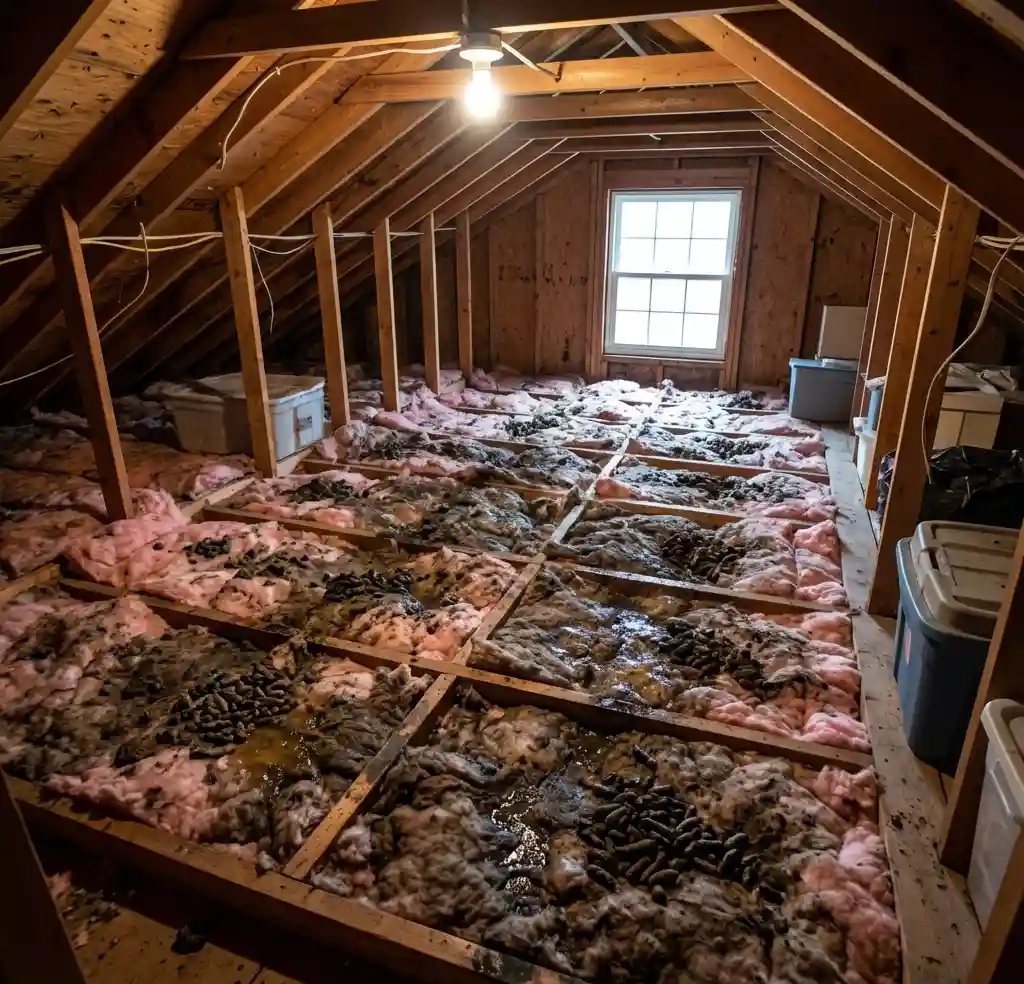
If you’re brave enough to peek into your attic, the droppings are a dead giveaway.
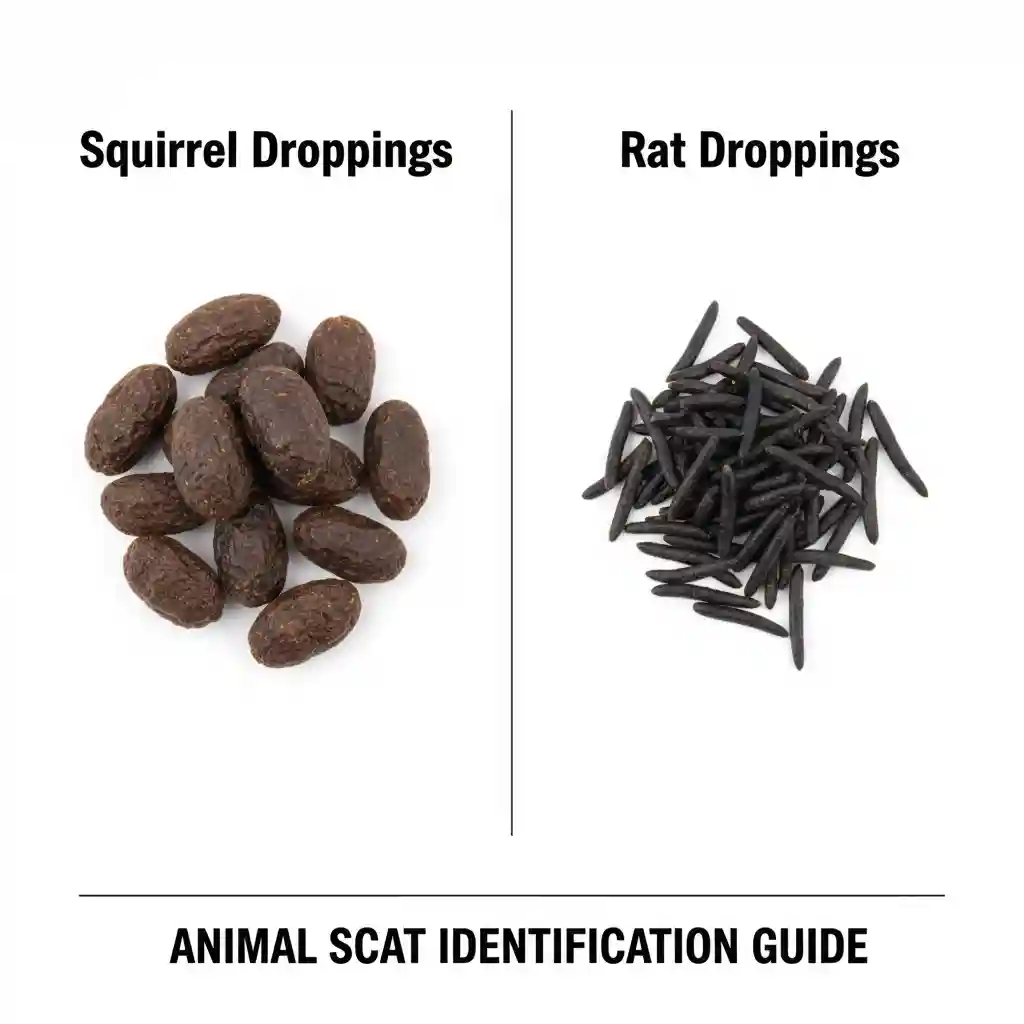
| Pest | Dropping Shape & Size | Appearance |
| Squirrel | Oblong, thicker, rounded ends | Similar to a raisin, about 3/8-inch long. Often scattered randomly. |
| Roof Rat | Spindle-shaped, pointed ends | Smaller and darker than squirrel droppings, about 1/4-inch long. Often found in clusters. |
3. The Damage: Chewer vs. Shredder
Both animals cause damage, but they leave different “signatures.”
-
Squirrels (Shredders & Chewers): Squirrels love to shred soft materials for their nests. You’ll find torn-up insulation, shredded cardboard, and gnawed wood. They also chew larger, more defined holes in soffits, fascia boards, or roof vents to get inside.
-
Rats (Gnawers & Greasers): Rats compulsively gnaw and can chew through incredibly tough materials, including PVC pipes, aluminum siding, and electrical wires. A key sign of rats is the presence of greasy rub marks along walls and beams where they travel, left by the oils on their fur.
4. The Nest: Messy Ball vs. Hidden Burrow
Where they choose to live in your attic tells a different story.
-
Squirrels: Build large, messy, ball-like nests out in the open, often using shredded insulation, leaves, and twigs they’ve brought inside.
-
Rats: Prefer to burrow and hide. Their nests are typically hidden deep within insulation, inside wall voids, or in concealed corners of the attic.
5. The Entry Holes: Big & Obvious vs. Small & Hidden
-
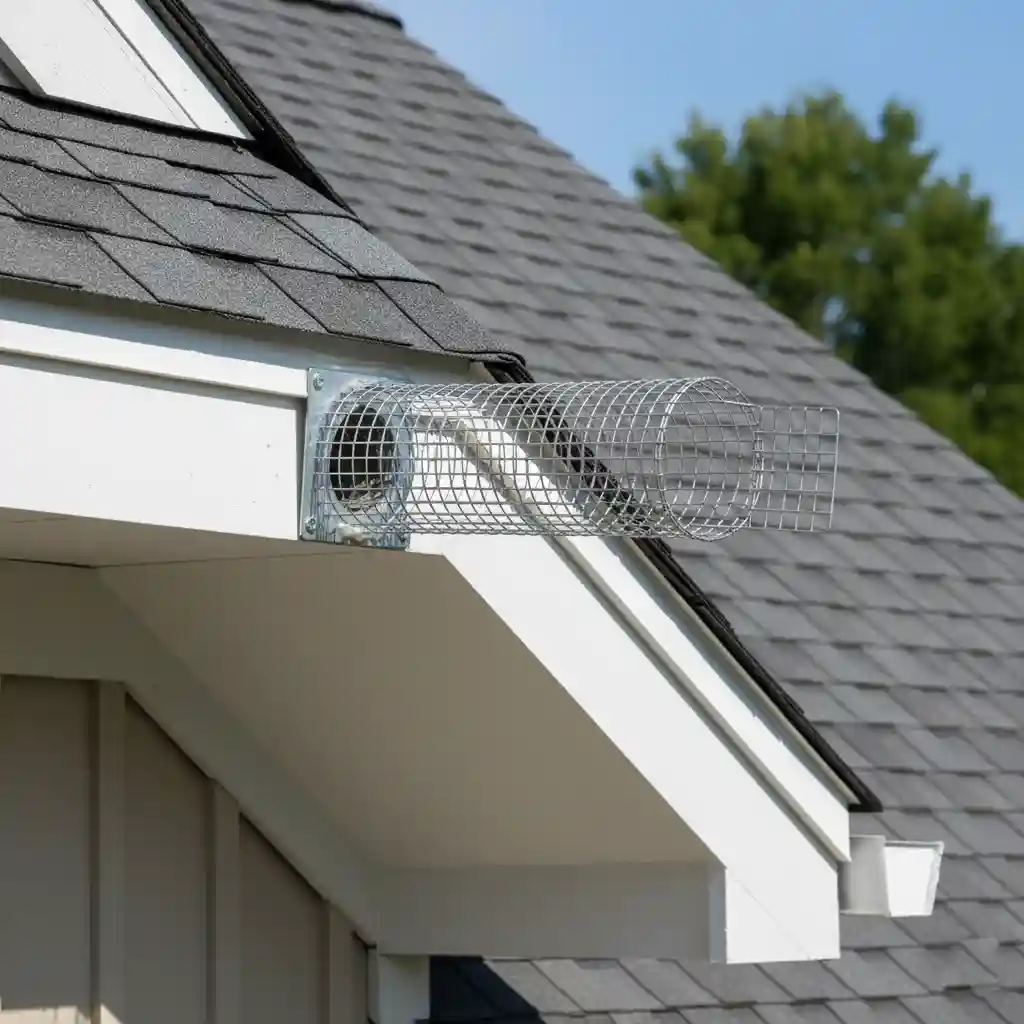
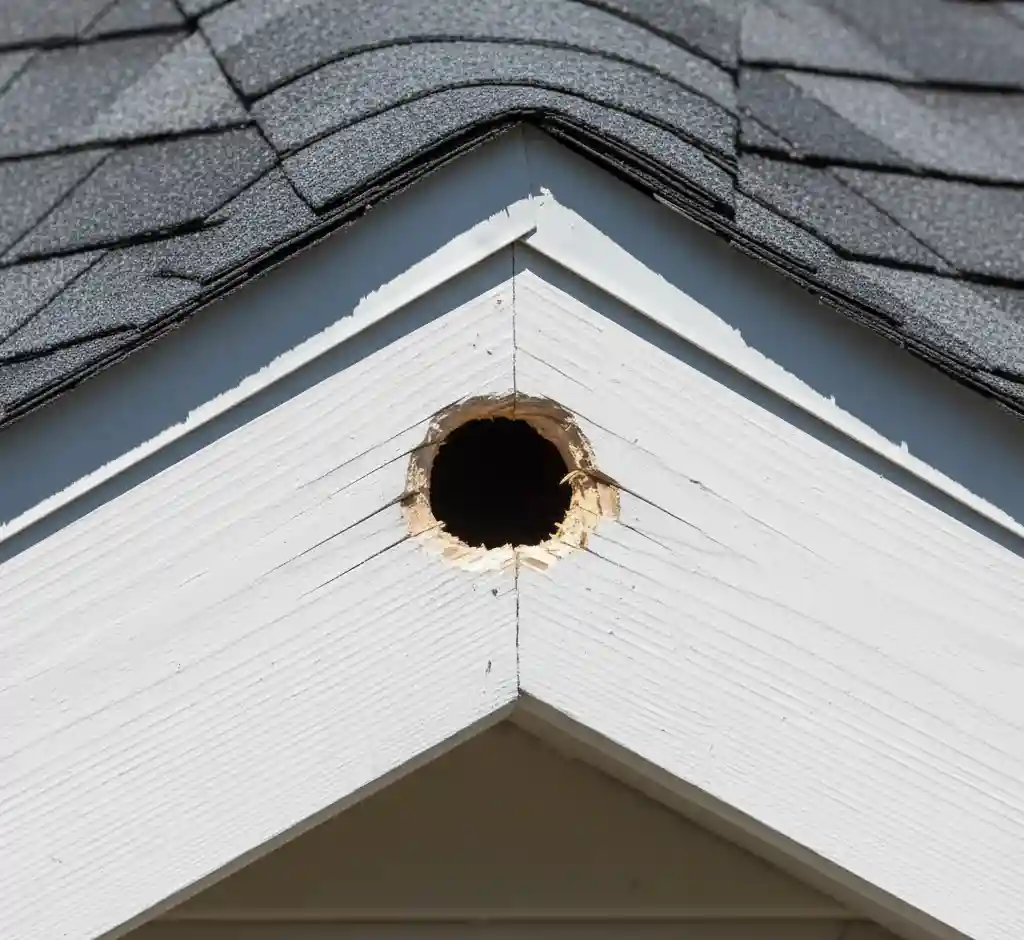
Squirrels: Chew a direct, golf-ball-sized or larger hole straight through wood, vents, or the roofline. The edges will be clean and show teeth marks.
-
Rats: Can squeeze through an opening the size of a quarter. They often use existing gaps in the foundation, gaps around pipes, or small cracks you’d never notice.
6. The Diet: What Are They Eating?
-
Squirrels: You’ll find remnants of their outdoor diet: cracked acorns, nut shells, and other plant debris they’ve brought inside.
-
Rats: You might find pet food they’ve stolen from your pantry, bits of paper, or other garbage they’ve scavenged from inside or around your home.
7. The Noise Location: High vs. Low
-
Squirrels: Excellent climbers, almost always heard high up in the attic, roof, or soffits.
-
Rats: Also good climbers (especially roof rats), but are just as likely to be heard inside walls, in the basement, or in the crawlspace.
The Verdict: Why You Shouldn’t Wait
Whether it’s a squirrel or a rat, you have a serious problem. Both animals pose a significant fire hazard from chewing on electrical wires and can cause thousands of dollars in damage to your insulation and home structure.
Do-It-Yourself methods like poison or store-bought traps often fail and can make the problem worse. Poisoning a rat in your wall leads to an unbearable smell that can last for months. Trapping a squirrel without sealing the entry hole means a new one will move in within days.
The only permanent solution is professional trapping, removal, and—most importantly—full exclusion work.
If you’ve identified your pest or are still unsure, contact our 24/7 dispatch center. We connect you with a licensed and insured local expert who can perform a full inspection and provide a definitive solution.