
You’ve confirmed the culprit making all that noise in your attic is a squirrel. It’s small, maybe even looks a little cute. Your first thought might be, “How hard can it be? I’ll just go to the hardware store, buy a trap, and handle this myself.”
While the desire to save money is understandable, attempting DIY squirrel removal is one of the most common mistakes a homeowner can make. What seems like a simple task is riddled with hidden dangers, legal traps, and a high probability of failure that can turn a small problem into an expensive disaster.
Before you climb that ladder, here’s a professional breakdown of the risks you’re not considering.
The Real Risks of DIY Squirrel Removal
The $30 trap from the hardware store doesn’t account for the potential thousands of dollars in medical bills, home repairs, or fines.
| Risk Category | The DIY Danger | The Professional Solution |
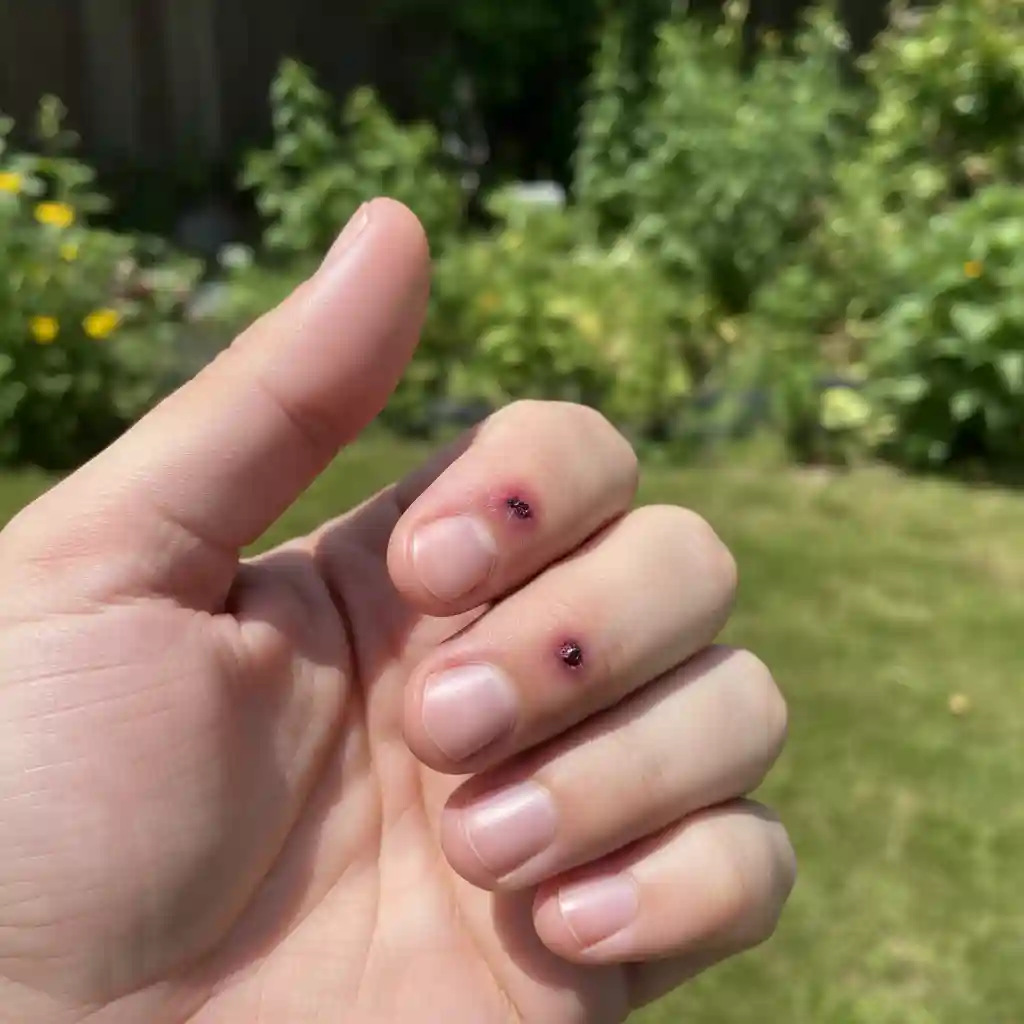
| Personal Safety | A cornered squirrel, especially a mother protecting her young, will bite and scratch ferociously. Falls from ladders while trying to access roof-level entry points are also common. | Professionals use protective gear, proper safety equipment for roof work, and techniques to remove animals without direct contact. |
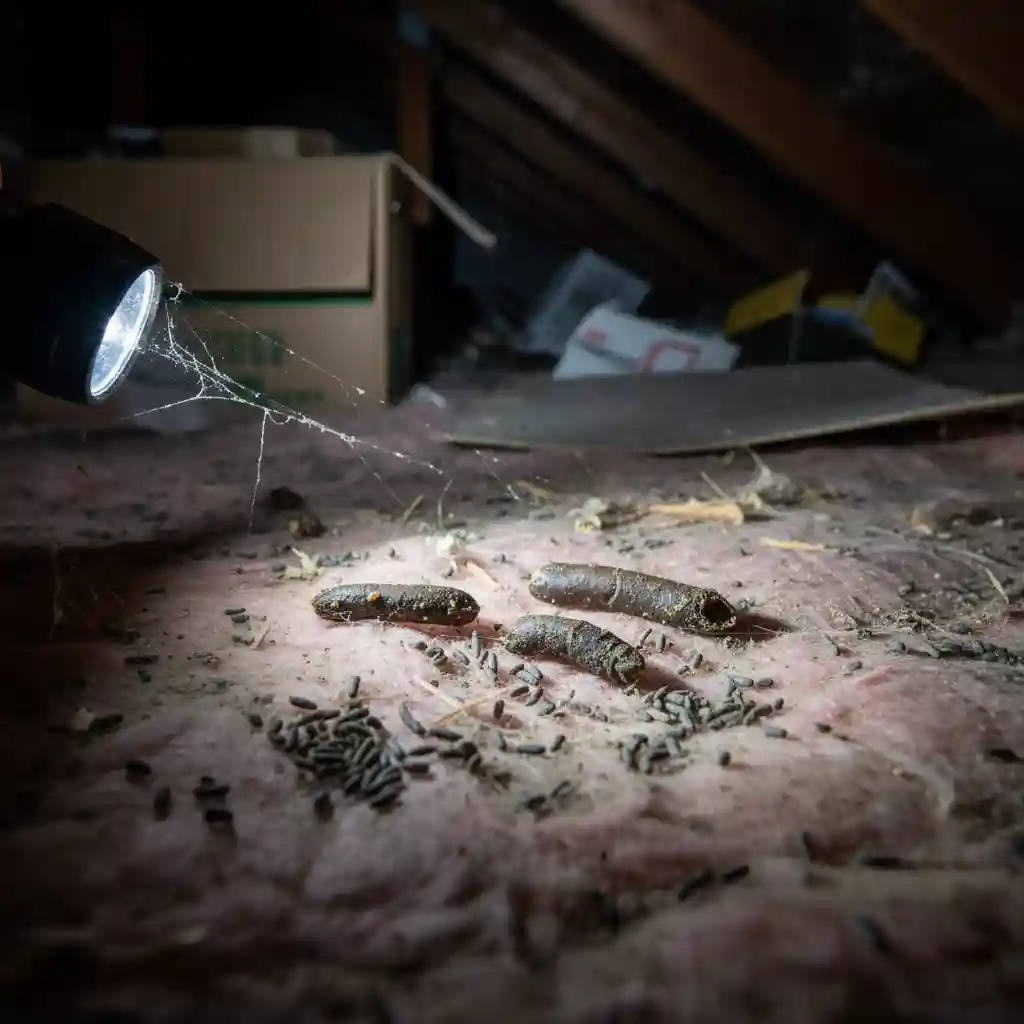
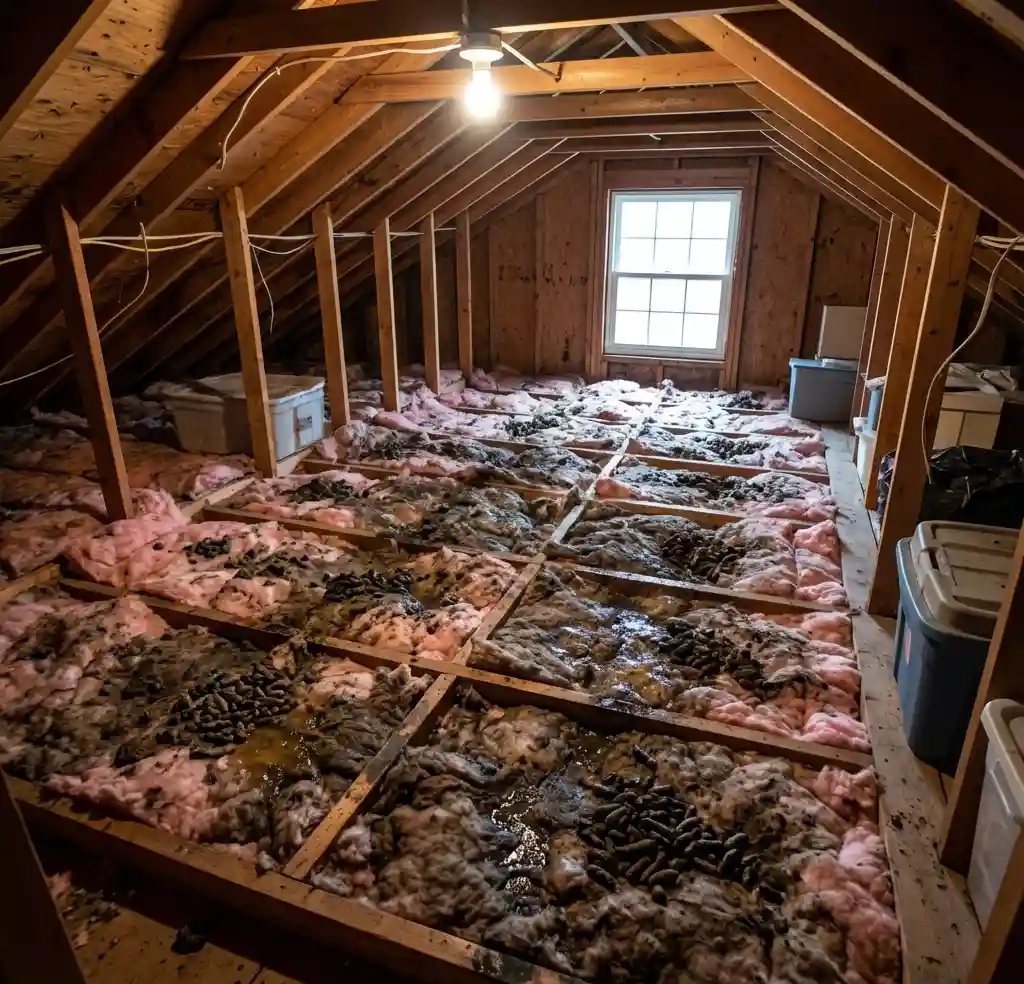
| Health Hazards | Squirrels are infested with fleas, ticks, and mites. Their droppings and urine can harbor bacteria and create unsanitary conditions, leading to respiratory issues. | Technicians are trained in handling contaminated materials and can provide full attic sanitization and decontamination services after removal. |
| Property Damage | You might trap the mother, leaving babies to die and decompose inside your walls, creating a horrific odor. Improperly placed traps can also damage your roof or siding. | A pro performs a full inspection to ensure all animals, including entire litters, are located and removed. They also identify and repair the true source of the problem. |
| Electrical Fire | While searching, you might not notice that squirrels have already chewed through electrical wiring. Moving insulation around can create a spark, leading to a devastating attic fire. | Experts are trained to spot signs of wire damage and can assess the fire risk, often recommending an electrician for repairs after the animals are gone. |
| Legal Penalties | In many states, including Texas, it is illegal to trap and relocate wildlife without a permit. You could face fines for moving a squirrel to a local park. | Licensed wildlife operators are permitted by the state. They follow all local and federal laws regarding the humane handling and release or dispatch of captured animals. |
“But I’ll Just Seal the Hole!” – Why This Backfires
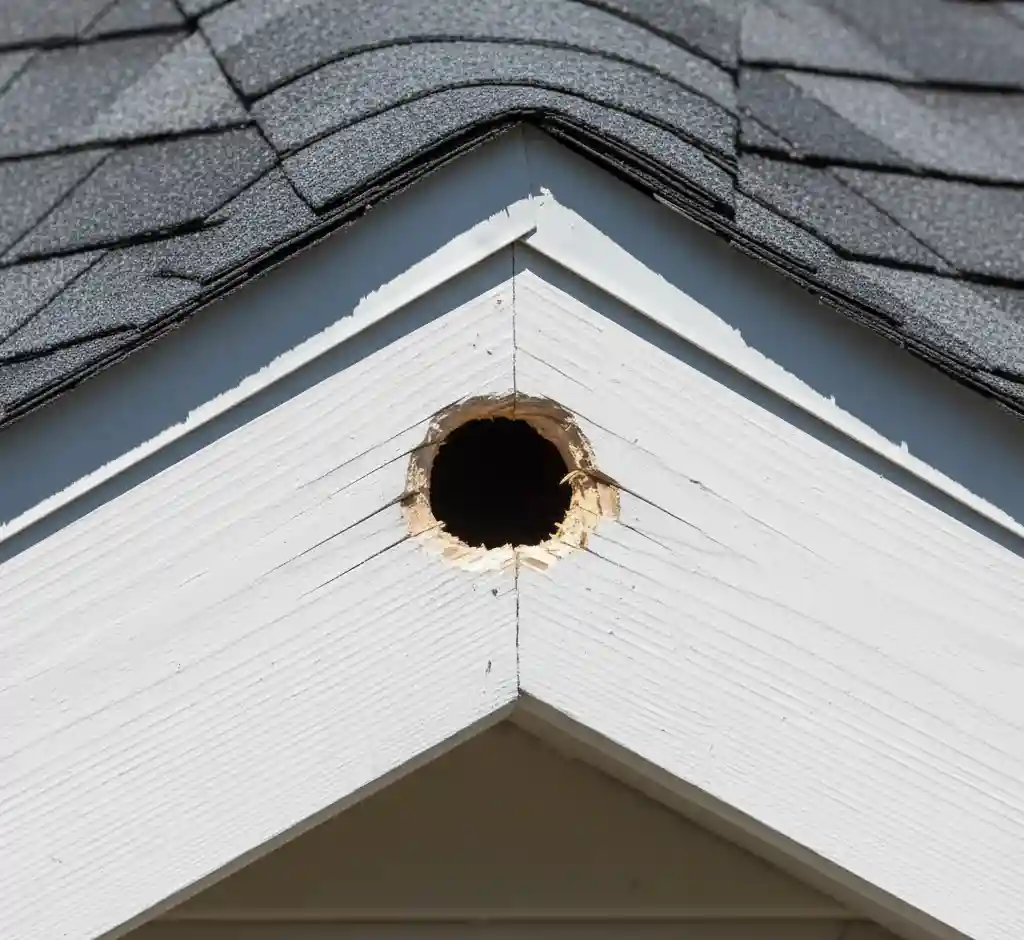
Another common DIY mistake is to find the entry hole and simply seal it up with foam or a piece of wood. This is a recipe for disaster.
Warning: Never seal an entry point without being 100% certain that all animals are out. Trapping an animal inside your home will cause it to panic. It will either die and create a terrible smell, or it will chew its way through drywall, ceilings, or electrical conduit to escape, causing thousands of dollars in damage.
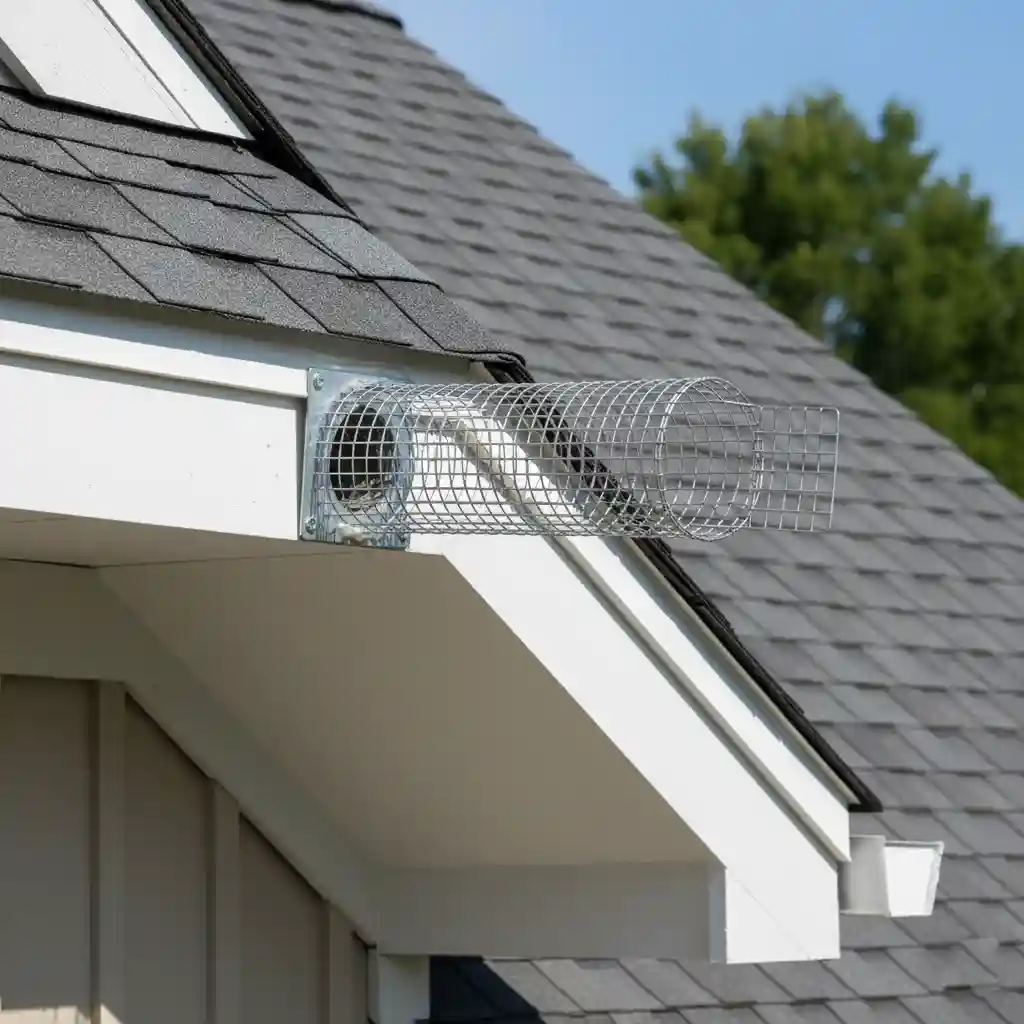
A professional uses one-way exclusion doors that allow animals to leave but not re-enter, ensuring the structure is empty before any permanent sealing is done.
The Cost of Failure: DIY vs. Professional
The initial cost of a professional might seem high compared to a DIY trap, but the potential costs of failure are much higher.
-
Typical DIY Scenario:
-
Buy trap: $50
-
Trap fails, buy another: $50
-
Seal the wrong hole, squirrel chews a new one: $300 roof repair
-
Trap a mother, babies die in wall: $1000+ for drywall repair and deodorization
-
Total DIY Cost: Potentially $1,400+ and weeks of stress.
-
-
Professional Scenario:
-
Call for inspection & removal: One-time fee.
-
Problem solved, entry points sealed, warranty provided.
-
Total Pro Cost: A fraction of the potential DIY disaster.
-
The Smart Choice for Your Home and Family
Your time, safety, and peace of mind are worth more than the few dollars you might save with a DIY attempt. A squirrel infestation is not a simple pest problem; it’s a structural and safety issue that requires expert knowledge.
Don’t take the risk. Call our 24/7 dispatch center to connect with a licensed, insured, and experienced professional who can solve your squirrel problem the right way, the first time.