
You’ve heard the heavy thumping in the attic, found the tipped-over trash can, or even seen the masked bandit staring back at you from your roof. You have a raccoon problem. Your next logical question is: how much is this going to cost to fix?
The cost of professional raccoon removal in Texas isn’t a simple, flat-rate number. It can range from a few hundred to several thousand dollars depending on the severity of the infestation and the extent of the damage.
This guide will break down the real costs so you can understand what to expect from a professional quote and avoid surprises.
Important Note: These prices are based on industry averages across Texas for 2025. Your final cost will depend on a detailed, on-site inspection. For a firm, no-obligation quote, call our dispatch center immediately.
Raccoon Removal Cost: A Breakdown by Service
Professional wildlife control isn’t just about setting a trap. It’s a multi-step process. Your total bill is typically a combination of the following services.
| Service Component | Average Cost Range (Texas) | What It Includes |
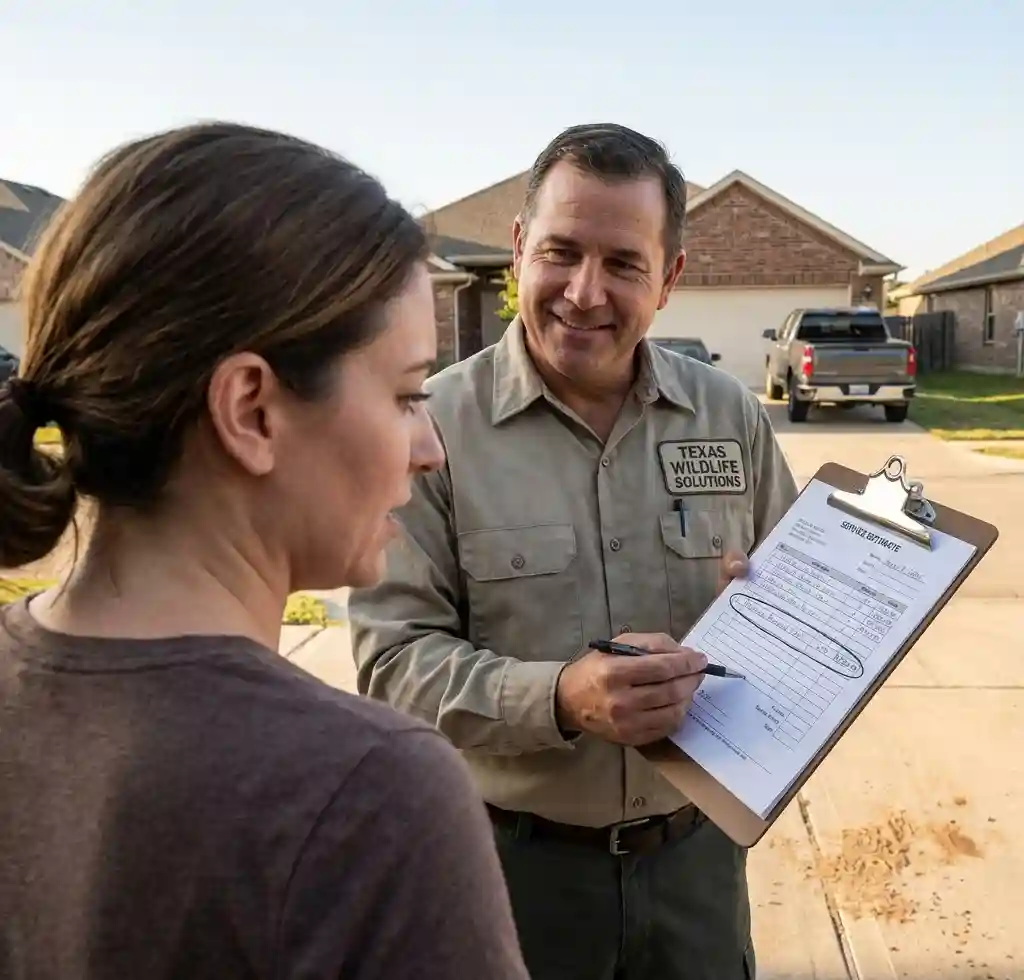
| 1. Initial Inspection & Assessment | $75 – $250 | A technician inspects your entire property (attic, roof, foundation) to identify the animal, find all entry points, and assess the damage. This fee is often credited towards the total job cost. |
| 2. Humane Trapping & Removal | $300 – $600+ | This covers setting professional traps, daily checks, and the physical removal of the raccoons. The price can increase per animal if there is a large family. |
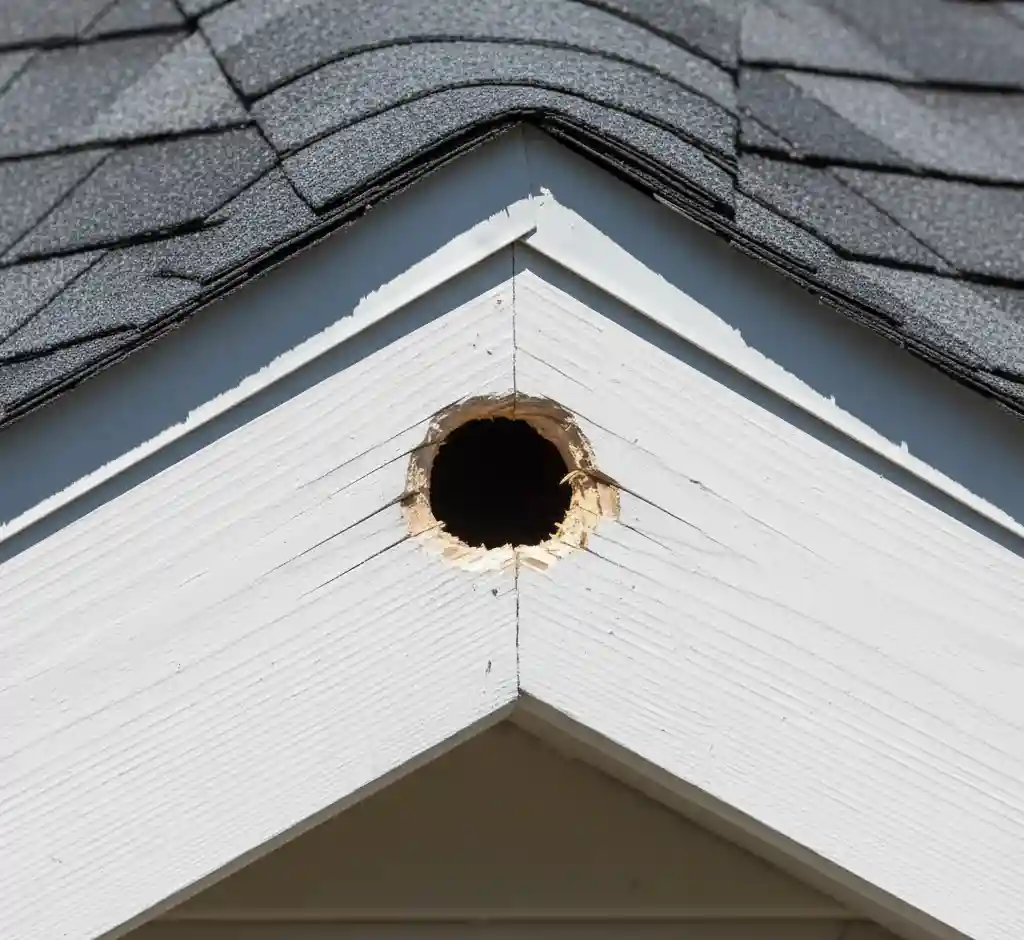
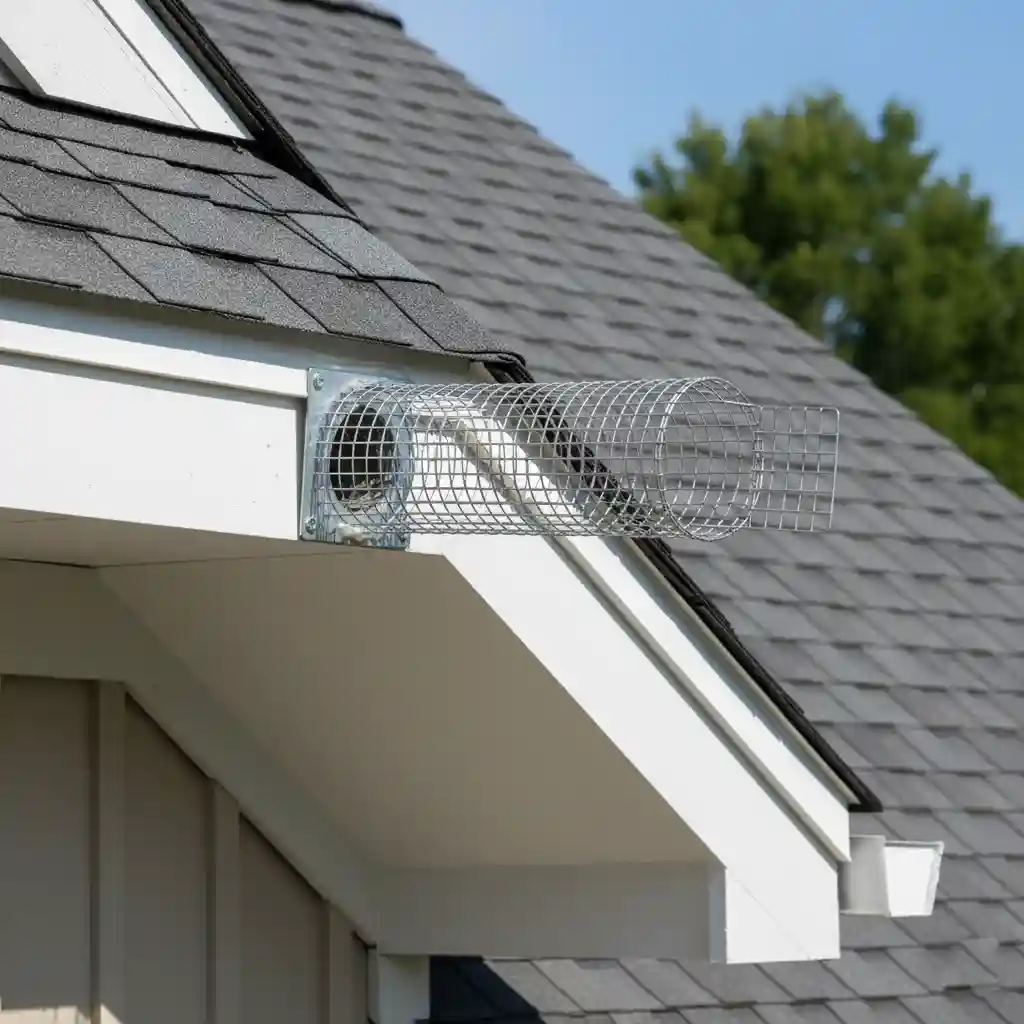
| 3. Exclusion & Entry Point Sealing | $250 – $2,000+ | This is the most critical step. Technicians seal the primary entry hole and reinforce other vulnerable areas (vents, soffits) with steel mesh to prevent re-entry. Cost depends on the number and location of holes. |
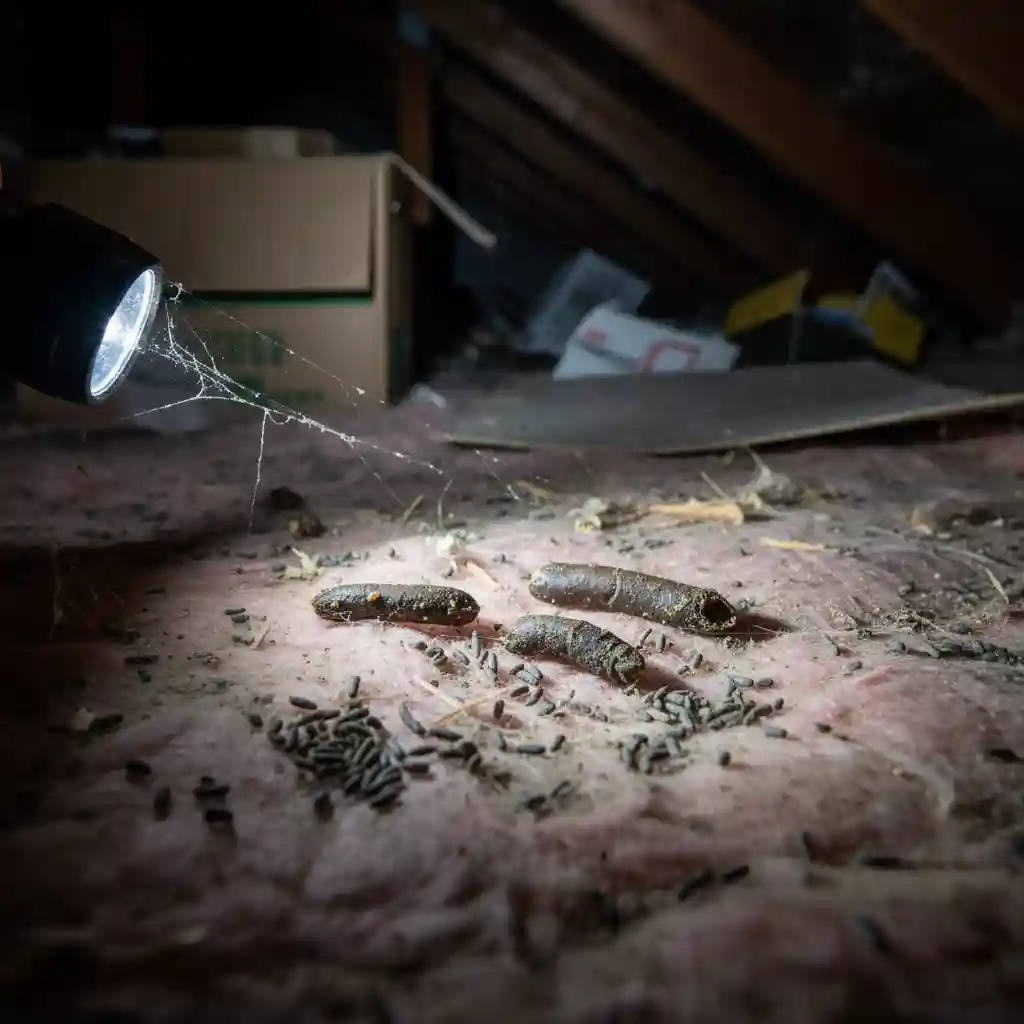
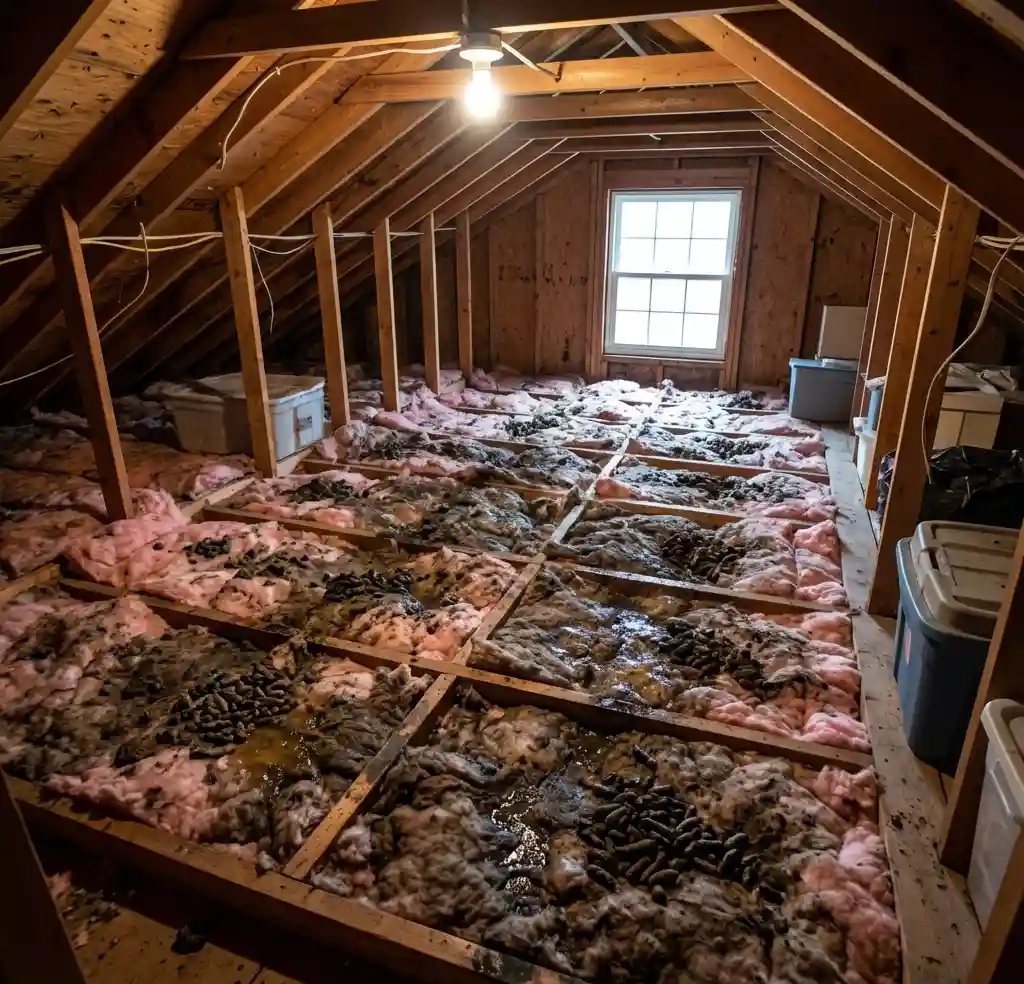
| 4. Attic Restoration & Cleanup | $500 – $5,000+ | This is a separate, high-value service. It includes removing soiled insulation, sanitizing for bacteria and roundworm, deodorizing, and installing new insulation. |
4 Key Factors That Influence Your Final Price
Why is there such a wide price range? Because every raccoon situation is unique. Here are the four main variables a technician will consider during your inspection.
-
Location of the Raccoons
-
Easy Access (Under a deck, in a shed): Lower cost.
-
Difficult Access (Deep in an attic, inside a chimney): Higher cost, as it requires more time, ladders, and safety equipment.
-
-
Number of Raccoons (Is it a Family?)
-
Single Adult Raccoon: Standard trapping fee.
-
Mother with Babies (Kits): This significantly increases the cost and complexity. Technicians must locate and physically remove the babies by hand before trapping the mother. This is a delicate and time-consuming process.
-
-
Extent of Damage
-
Minimal Damage (Torn vent screen): Only basic exclusion work is needed.
-
Major Damage (Destroyed ductwork, soiled insulation): Requires extensive attic restoration, which is a separate and often costly project.
-
-
Number of Entry Points
-
One Obvious Hole: A simple patch job.
-
Multiple Entry Points (Old roof, rotten fascia boards): The technician will need to seal numerous spots around your home, increasing labor and material costs.
-
Is DIY Raccoon Removal Cheaper? (A Word of Warning)
It might seem tempting to buy a trap from a hardware store for $50 and solve the problem yourself. This is almost always a bad idea.
-
Legal Issues: Relocating wildlife is illegal in many parts of Texas without a permit.
-
Safety Risks: A cornered mother raccoon is extremely dangerous and can cause serious injury. They are also primary carriers of rabies.
-
Ineffectiveness: You might trap one raccoon, not realizing its family is still inside your attic. Or you’ll trap the mother, leaving the babies to die, decompose, and create a far worse problem.
-
Failure to Seal: Without sealing the entry hole, a new raccoon will simply move in a week later.
The Verdict: The cost of professional removal is not just for the trap; it’s for the expertise to solve the problem permanently and safely.
Don’t Let the Damage Get Worse
The longer a raccoon lives in your attic, the more insulation it soils, the more wires it chews, and the higher your final repair bill will be. A small problem today can become a five-figure restoration project in a matter of months.
If you suspect you have a raccoon, the most cost-effective solution is to act fast.