
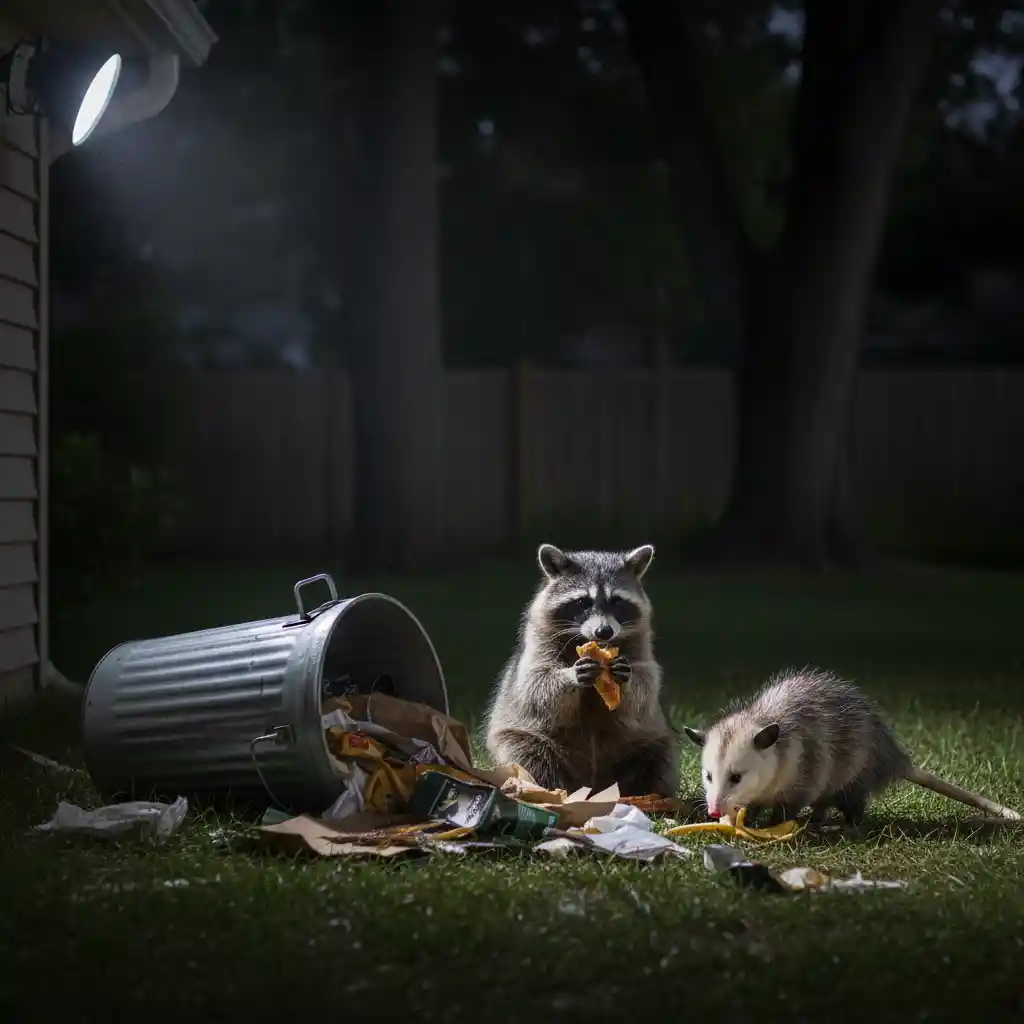
You hear a crash in the middle of the night. In the morning, you find the evidence: your trash can is tipped over, and yesterday’s dinner is strewn across the lawn. You have a nocturnal bandit, but who is it? In most American suburbs, the two primary suspects for this classic crime are the raccoon and the opossum.
While both are nocturnal scavengers, they are entirely different species with unique behaviors, risks, and removal methods. Correctly identifying your backyard intruder is the first step to effectively securing your property.
Let’s put these two creatures head-to-head to see who your culprit is.
At a Glance: Raccoon vs. Opossum ID Chart
Use this quick comparison table to make an initial identification.
| Feature | Raccoon (The “Bandit”) | Opossum (The “Hitchhiker”) |
| Appearance | Plump body, black “mask” over eyes, bushy ringed tail. | Pointy white face, pink nose, naked rat-like tail, grayish-white body. |
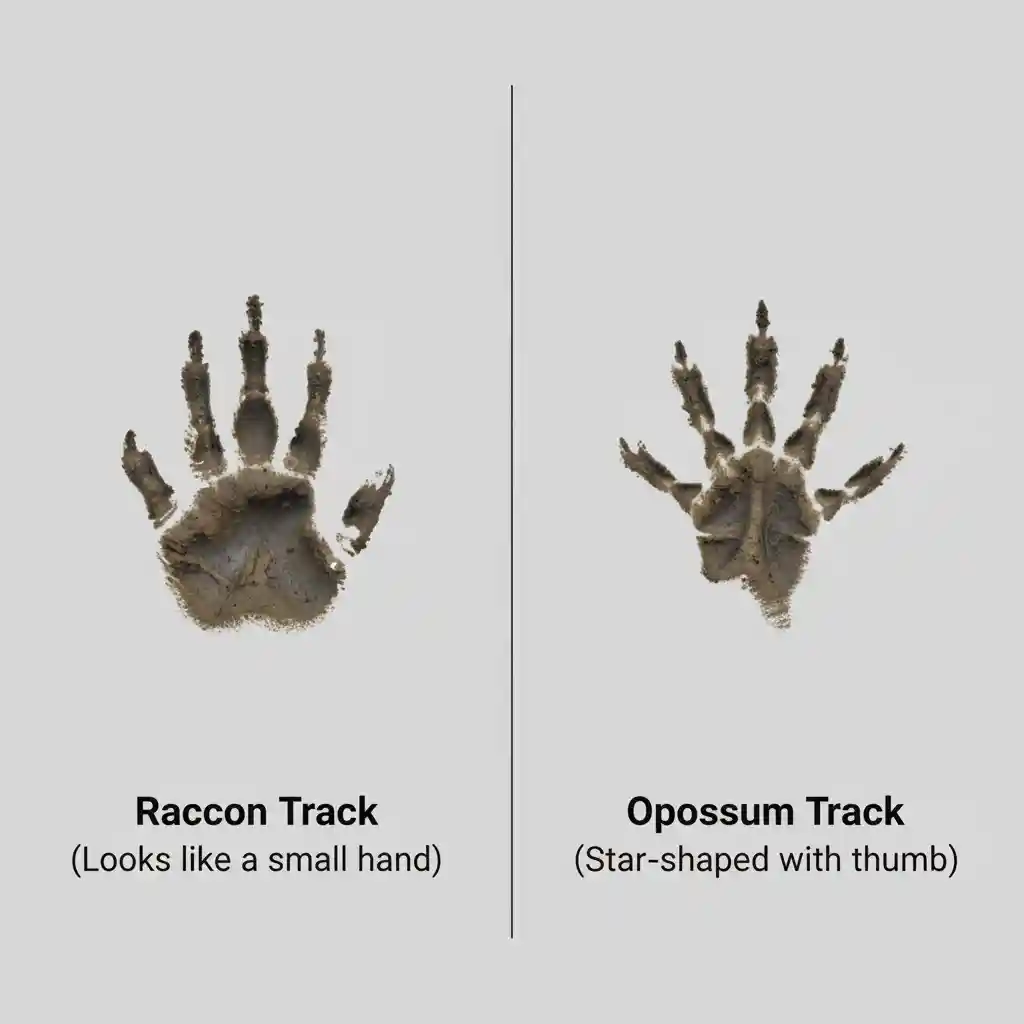
| Tracks | Looks like tiny human handprints, with five distinct fingers. | Star-shaped print with a widely separated “thumb” on the hind foot. |
| Sounds | Makes chittering, purring, growling, or screaming sounds. | Usually silent, but may hiss or click when threatened. |
| Behavior | Intelligent, curious, and dexterous. Can open latches and solve problems. | Shy and non-aggressive. Famously “plays dead” as a defense mechanism. |
Clue #1: The Tracks They Leave Behind
The clearest piece of evidence you can find is a footprint in mud or soft soil.
-
Raccoon Tracks: A raccoon’s prints are famously described as looking like tiny, chubby human handprints. Both front and back paws have five long, slender toes that are clearly visible.
-
Opossum Tracks: The opossum has a unique feature: a large, opposable “thumb” on its hind feet that is separated from the other four toes. This creates a distinctive, starburst-like shape.
Clue #2: The Droppings (Scat)
While unpleasant, examining the droppings is a definitive way to tell them apart.
-
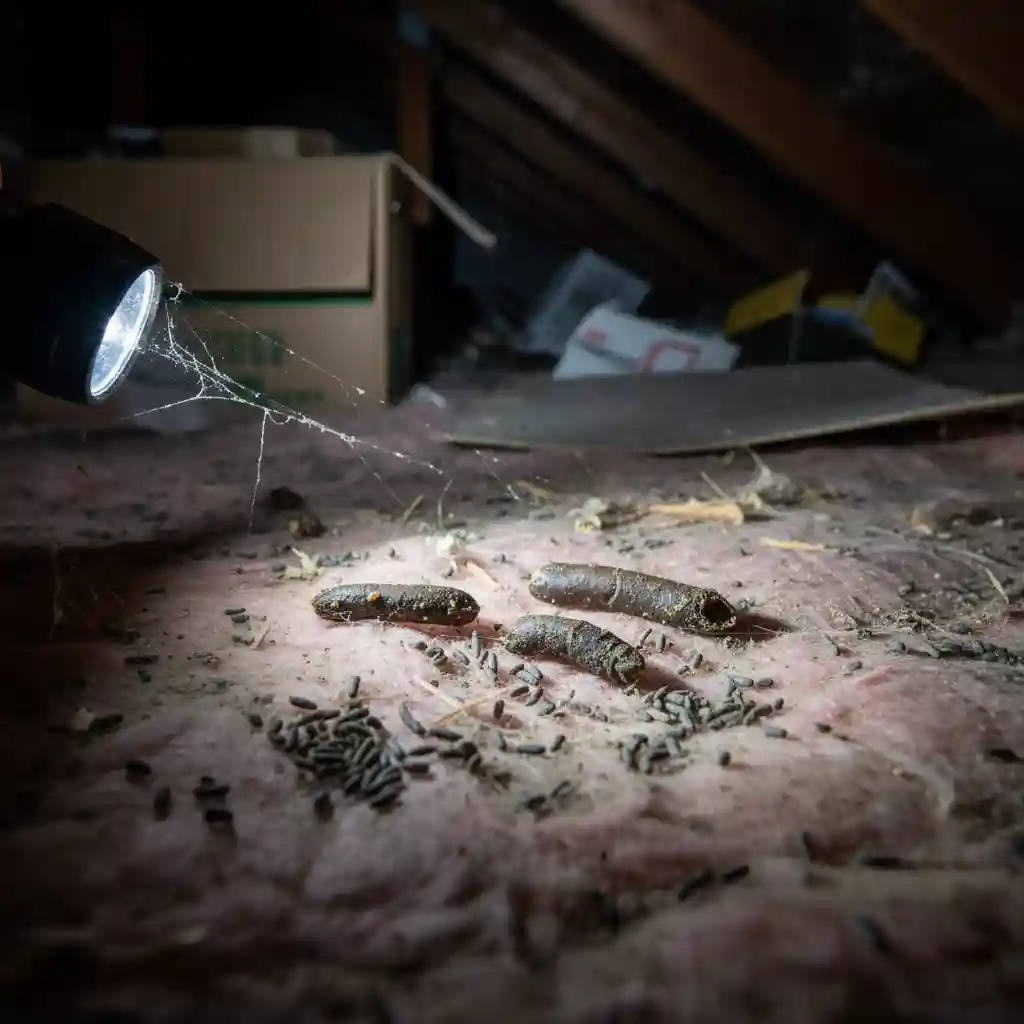
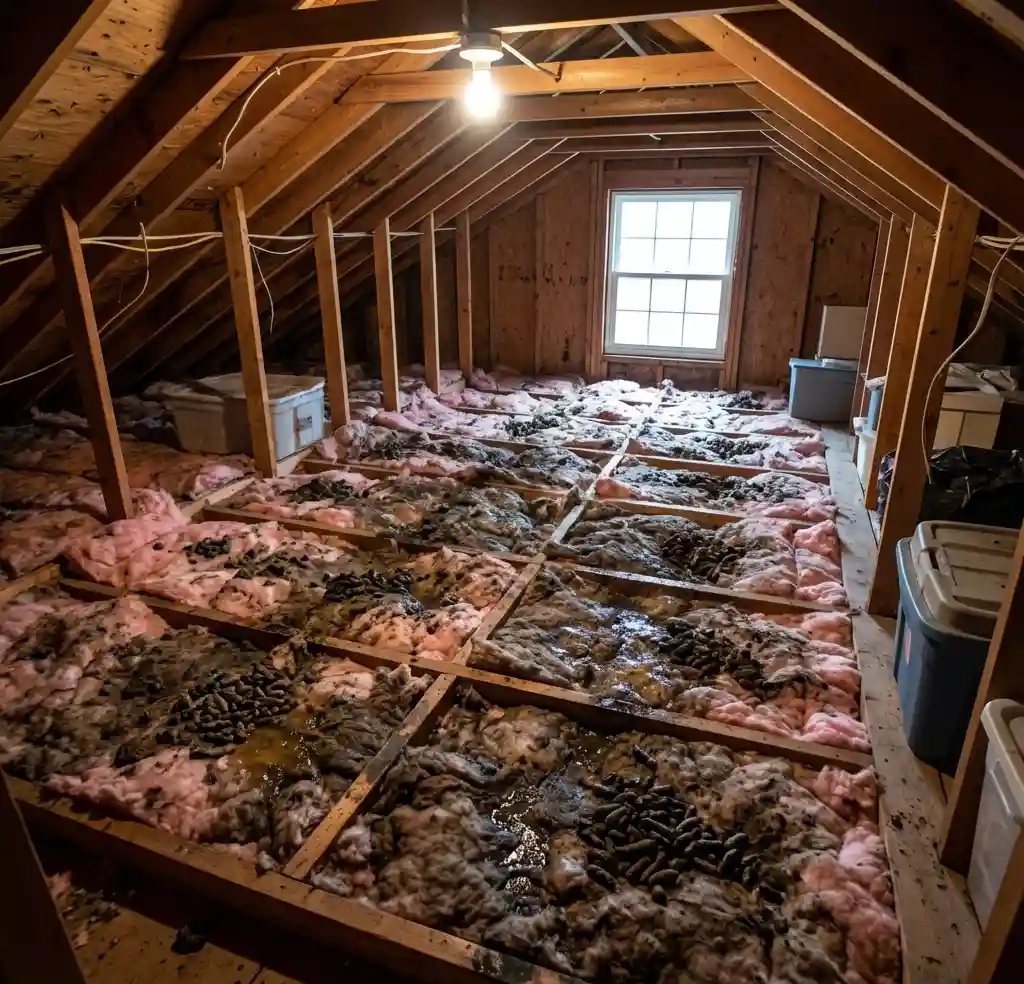
Raccoon Droppings: Raccoon scat is typically tubular, about 2-3 inches long, and has blunted ends. A key feature is that it is often full of undigested berries, seeds, or bits of what they ate. Raccoons tend to use a communal “latrine” – a specific spot they use repeatedly (e.g., the base of a tree, a corner of your attic, or even on your roof).
-
Opossum Droppings: Opossum droppings are similar in size to a small dog’s. They are smooth on the sides and tend to have tapered ends. Because their diet is so varied, the contents are often less defined than a raccoon’s. They do not use a latrine and leave droppings randomly as they travel.
Clue #3: The Nature of the Mess
How your trash is raided tells a story.
-
Raccoons (The Safecrackers): With their nimble hands, raccoons are notorious for prying open lids, unlatching bungee cords, and surgically removing specific items from a trash bag. The mess is often deliberate.
-
Opossums (The Bulldozers): Lacking the dexterity of raccoons, opossums are more likely to simply knock the entire can over and rummage through the resulting spill. The mess is typically more chaotic and widespread.
Are They Dangerous? Understanding the Risks
While both animals are generally more afraid of you than you are of them, they pose different risks to your family and pets.
Opossums are not aggressive. Their most famous defense is to involuntarily “play ‘possum” (enter a comatose-like state). They are also highly resistant to rabies. The main risk they pose is carrying parasites like fleas and ticks.
Raccoons can be aggressive, especially a mother protecting her young or a cornered animal. They are a primary carrier of rabies and raccoon roundworm, a dangerous parasite whose eggs can be found in their feces.
Why Won’t They Just Leave?
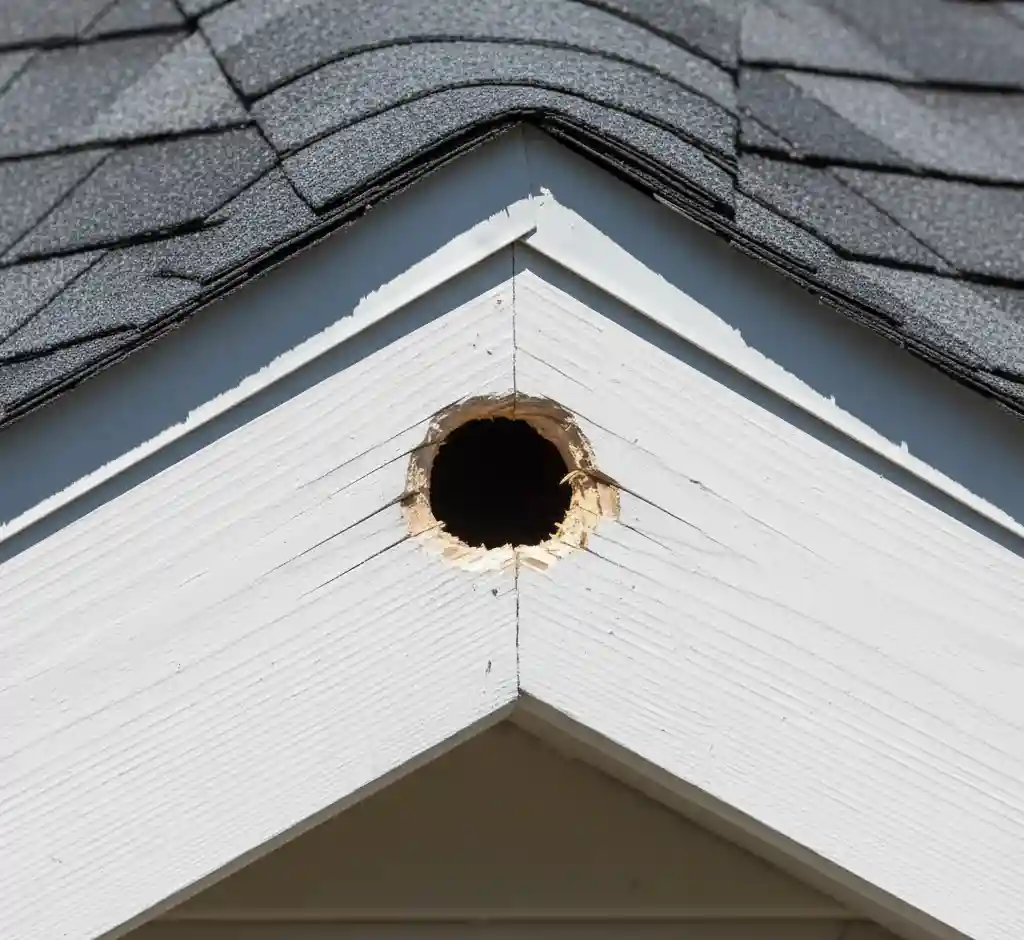
Your property offers a perfect habitat: a reliable food source (trash cans, pet food left out), water (birdbaths, ponds), and potential shelter (under your deck, in your shed, or—worst of all—in your attic).
Simply scaring them off one night won’t work. As long as the resources are there, they or another animal will keep coming back.
The Professional Solution
Effective, long-term control of raccoons and opossums involves more than just setting a trap. A professional will:
-
Identify the Species: To ensure the correct trapping and handling methods are used.
-
Humane Trapping & Removal: Safely capture and remove the animal(s) in accordance with local Texas laws.
-
Identify and Secure Attractants: Advise you on securing trash cans, managing pet food, and making your property less inviting.
-
Exclusion Work: If the animal has gained entry into your home, they will seal the entry points to prevent future intrusions.
Don’t let a nightly nuisance turn into a dangerous infestation. If you’re tired of cleaning up after a backyard bandit, call our 24/7 dispatch center for a professional assessment.