What Animal Is Digging Holes in My Delaware Yard? (Identification Guide)

Fact-Checked Last reviewed: September 02, 2026

Quick Answer

The most common animals digging holes in Delaware yards are eastern moles, woodchucks (groundhogs), meadow voles, striped skunks, and raccoons, with Virginia opossums and eastern chipmunks close behind. In urban neighborhoods, Norway rats also dig smooth burrow openings along foundations. Delaware is a small, densely settled state, so the top yard problem is almost always the eastern mole raising volcano-shaped mounds across a lawn — not a gopher, which Delaware does not have.

What Animal Digging Holes Delaware Yard — US Wildlife Dispatch
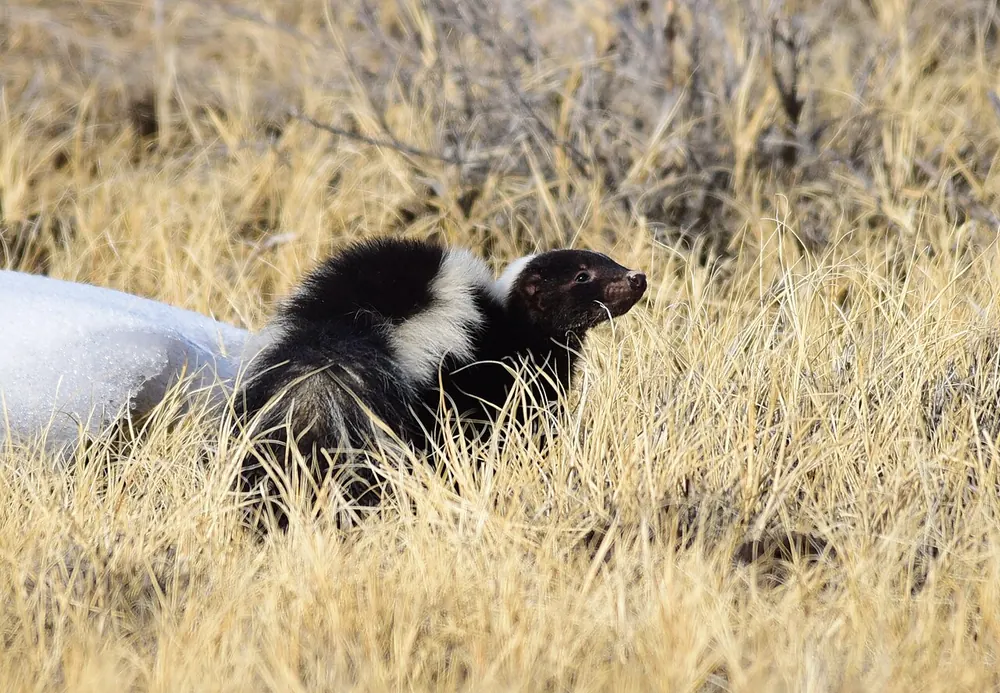
Photo: USFWS Mountain-Prairie · Wikimedia Commons (CC BY 2.0)

Identifying Yard-Digging Wildlife in Delaware

Delaware's digging problems are shaped by its coastal, low-lying ground, sandy soils, and dense suburban development. The Delaware Division of Fish and Wildlife (DNREC) and the University of Delaware Cooperative Extension both list burrowing and grub-foraging mammals among the most common nuisance wildlife complaints in the state.

Key Identification Tip: Separate holes with mounds from holes without mounds first. A volcano-shaped mound of loose soil with no visible opening = mole (the #1 Delaware culprit). A clean 1-2 inch hole connected to a runway through the grass = vole. A large 6-8 inch burrow entrance near a fence line, with pushed-out soil = woodchuck. Small cone-shaped pits scattered across the turf = skunks. Peeled-back, lifted patches of sod = raccoons. Shallow, half-moon scrapes in mulch = opossums. This one split eliminates half the possibilities.

Delaware Yard-Digging Animal Identification Table

Animal Hole Size & Shape Depth Damage Pattern Delaware Range
Eastern Mole Volcano-shaped mounds; raised surface ridges Feeding tunnels just below turf; deep runs 6-18 inches Raised, spongy ridges and round mounds of loose soil, worst in moist, worm-rich lawns Statewide in lawns, gardens, and fields with moist, sandy soil
Woodchuck (Groundhog) Large 6-8 inch burrow openings with pushed-out soil Burrows up to 5 feet deep, 30 feet long Dirt piles at entrances; eaten garden crops, clover, soybeans; collapsed holes on slopes Statewide in open fields, farms, roadsides, and settled areas
Meadow Vole 1-2 inch clean holes, flush with soil Shallow, 1-3 inches Surface runways through grass; girdled trees and shrubs; dug-up bulbs Statewide, heaviest in moist lawns, meadows, and orchards
Striped Skunk 3-4 inch conical holes, scattered Shallow, 1-2 inches Clusters of small pits in turf (grub hunting); holes under porches, decks, sheds Statewide, common in towns, farms, and suburbs
Raccoon Peeled-back sod, 6-12 inch lifted patches Shallow digging into top few inches Lifted, rolled turf; overturned garbage and planters; dug-up bulbs Statewide along rivers, bays, and in towns
Virginia Opossum Shallow 2-4 inch scrapes, half-moon shapes Top few inches of soil or mulch Raked-over mulch beds and potted plants; tipped-over garbage; small scrapes near compost Statewide, most common in suburbs and towns
Eastern Chipmunk Small 2-3 inch clean holes, no mound Burrows 1-3 feet deep near cover Holes near stone walls, tree roots, foundations, and bird feeders; dug-up flower bulbs Statewide wherever there is cover and open ground

Eastern Mole

The eastern mole (Scalopus aquaticus) is the #1 lawn digger in Delaware. It is a stocky, gray-brown, nearly blind insectivore that lives almost entirely underground, hunting earthworms, grubs, and insects in the state's moist, sandy soils. It does not eat plant roots, but its tunneling heaves up turf and can dry out the root zone of young lawns.

Eastern moles build two kinds of sign: volcano-shaped mounds of loose soil and long, raised surface ridges that appear most often after rain, when worms move up near the surface. Delaware's sandy, moist coastal soils are ideal mole habitat, which is why so many New Castle, Kent, and Sussex county lawns get the classic mole problem.

To confirm active moles, flatten a section of raised ridge and check the next day — if it is rebuilt, you have active tunneling. Moles are unprotected in Delaware and may be trapped on your own property, but because they are insectivores the real fix for a grub-rich lawn is often the same grub and drainage management that discourages skunks and raccoons.

Woodchuck (Groundhog)

Woodchucks (Marmota monax), also called groundhogs, are the largest yard diggers in Delaware — about two feet long, with dark gray-brown fur, a stout body, short legs, and a short tail. They are common along the state's roadsides, farm edges, and suburban fence lines, and they are true hibernators, spending roughly half the year underground.

Woodchucks dig burrows on slight slopes, often in open grassy areas, fields, and along brushy fence lines. A single burrow can run up to five feet deep and 30 feet long, and it usually has two or more entrances with large piles of pushed-out soil. They eat grasses, dandelions, clover, and garden crops, and in southern Delaware they can be a real nuisance in soybean and vegetable fields.

Abandoned woodchuck burrows become denning sites for opossums, raccoons, foxes, and skunks, so a hole you think is "just a woodchuck hole" can quickly turn into a raccoon or skunk den. Because woodchucks are unprotected in Delaware, landowners may trap them on their own property, but the most durable solution is exclusion fencing buried at least 2 feet with an outward flange, plus removing brush and rock piles that offer cover. See DNREC's guidance on woodchucks before setting traps.

Meadow Vole

Meadow voles (Microtus pennsylvanicus) cause some of the most underrated lawn damage in Delaware. They dig small 1-2 inch holes flush with the soil surface, connected by shallow runways through the grass, and they eat roots, bulbs, stems, and bark — girdling young trees and shrubs so plants die back in spring.

Voles are often confused with moles, but they leave runways and chew plants at ground level, while moles leave raised ridges and eat insects. Delaware's winters are milder than New England's, so vole damage shows up more as clipped grass runways and girdled trees than as the snowmelt grid you see farther north.

Control is habitat-focused: keep grass mowed, pull mulch and ground cover away from plant bases, and protect young trees with hardware cloth cylinders. Voles are unprotected in Delaware, but trapping a population boom is rarely practical — habitat change is the effective lever.

Striped Skunk

Striped skunks (Mephitis mephitis) are common across Delaware and are the classic culprit behind clusters of small, cone-shaped holes scattered through the lawn — each hole about 3-4 inches across where the skunk probed for grubs and earthworms at night. Fresh holes with damp, loose soil in the morning are a strong sign of overnight skunk activity.

Skunks also dig under porches, decks, and sheds to den, and the main risk is their spray — a startled skunk's musk is extremely hard to remove and lingers for weeks. Skunks can carry rabies, so never approach one, especially one active in daylight, and keep pets vaccinated. Delaware classifies skunks as a furbearer, and live relocation of a captured skunk is limited by rabies-vector rules.

The best prevention is removing food and shelter: secure garbage, bring pet food indoors at night, and seal under-deck openings with hardware cloth buried a few inches. Controlling lawn grubs also removes the food source that drives most skunk digging.

Raccoon

Raccoons (Procyon lotor) are abundant across Delaware, especially along the Delaware River and Bay and in towns like Wilmington, Newark, Dover, and Milford. In yards they roll back and lift patches of sod while hunting grubs, overturn garbage cans and planters, and dig up newly planted bulbs. Their damage tends to be patchy, lifted sections of turf rather than neat holes.

Raccoons are a rabies vector species in Delaware, and DNREC restricts the transport and relocation of live raccoons. In practice, this means if you live-trap a raccoon, you usually cannot legally relocate it far away, which is one reason professional removal is the practical route for a persistent problem.

Reduce attractants with locking garbage lids, bring pet food inside at night, and harvest fruit promptly. For a raccoon denning under a porch or in an attic, wait until any kits are old enough to leave on their own, then seal the opening after the animal leaves. See our Raccoon Removal Cost Guide for what professional removal runs in the mid-Atlantic.

Virginia Opossum & Eastern Chipmunk

Virginia opossums (Didelphis virginiana) are Delaware's other common nocturnal digger. They rake shallow, half-moon scrapes through mulch beds and potted plants, tip over garbage, and dig small holes near compost — damage that looks like someone dragged a rake through the garden. They rarely dig deep burrows themselves and often use holes left by woodchucks or raccoons. Opossums are generally harmless and short-lived, and removing pet food and securing garbage is usually enough to move them along.

Eastern chipmunks (Tamias striatus) dig small, clean 2-3 inch holes with no mound, usually near stone walls, tree roots, foundations, and bird feeders. Their burrows run 1-3 feet deep and can extend under patios and walkways. Chipmunks are diurnal, so you will often see the chipmunk itself during the day. They are not protected in Delaware and can be live-trapped and excluded, but they are rarely worth much effort beyond removing birdseed and sealing foundation gaps.

Seasonal Digging Patterns in Delaware

Season Most Active Diggers Why
WinterMoles, raccoons, opossumsMild winters keep moles and raccoons active; woodchucks hibernate
Early SpringMoles, voles, woodchucksFresh mole ridging appears; woodchucks emerge from hibernation and start new burrows
SummerSkunks, raccoons, moles, chipmunksWarm nights bring grub-hunting skunks and raccoons; moles stay busy in moist lawns
FallWoodchucks, raccoons, voles, opossumsAnimals build fat stores before winter; raccoons and opossums raid garbage more as food thins

How to Get Rid of Animals Digging in Your Delaware Yard

1. Identify Before You Treat

Delaware's diggers range from unprotected species you can manage yourself (moles, woodchucks, voles, chipmunks) to rabies-vector furbearers with real restrictions (skunks, raccoons). Use the identification table above, or contact your county University of Delaware Cooperative Extension office to confirm the species before you invest in traps.

2. Moles & Voles: Habitat First

For moles and voles, start with the lawn, not the trap. Improve drainage, reduce thatch, and control grubs with beneficial nematodes. For voles, keep grass mowed, clear mulch from plant bases, and wrap young trees in hardware cloth. Mole traps are effective but should be set in active, fresh tunnels only — see our Mole vs Vole vs Shrew Damage Guide for how to tell which one you have before you choose a method.

3. Woodchucks: Exclusion & Trapping

Because woodchucks are unprotected in Delaware, you can trap them in cage traps baited with fruit or vegetables, but the durable fix is exclusion: bury 1/4-inch hardware cloth at least 2 feet deep with an outward flange along fences and foundations, and remove brush piles and rock piles that give them cover. Woodchuck burrows that are abandoned will often be taken over by skunks or raccoons, so seal or monitor any large burrow you fill.

4. Skunks, Raccoons & Opossums: Remove Food, Seal Shelter

Secure garbage with locking lids, bring pet food indoors at night, and remove fallen fruit. For skunk digging, controlling grubs removes the food source. For animals denning under a porch or deck, seal openings with hardware cloth only after confirming no young are inside — evicting kits separates them from their mother and usually makes things worse.

5. Professional Wildlife Removal

If DIY methods fail, or if you have a raccoon or skunk denning under your home, contact a licensed wildlife removal service. Licensed operators know Delaware's rabies-vector relocation rules and the state's trapping license requirements. Search for Delaware wildlife removal to find qualified operators. Professional wildlife removal in Delaware typically ranges from $200 to $900, depending on species, severity, and site access.

Delaware-Specific Regulations

  • Eastern mole: Unprotected in Delaware. May be trapped, excluded, or managed on your own property.
  • Woodchuck (groundhog): Unprotected. Landowners may trap them on their own property.
  • Meadow vole: Unprotected. May be trapped, excluded, or managed on your own property.
  • Eastern chipmunk: Unprotected. May be live-trapped and excluded.
  • Striped skunk: Classified as a furbearer; trapping rules and license requirements apply. As a rabies-vector species, live relocation is restricted.
  • Raccoon: A furbearer in Delaware. DNREC restricts transporting and relocating live raccoons; nuisance raccoons are typically handled by licensed wildlife control operators.
  • Virginia opossum: Classified as a furbearer in Delaware; trapping rules and license requirements apply.
  • Trapping license: Delaware requires a trapping license to set most traps, and first-time applicants must complete a trapper education course.
  • Protected species: White-tailed deer, beavers, all migratory birds, and most bat species cannot be removed without authorization — do not attempt to handle these yourself.

FAQ: Delaware Yard Digging

What animal is making mounds in my Delaware lawn?

Volcano-shaped mounds of loose soil with no visible opening are almost always eastern moles. Delaware's moist, sandy soils are ideal mole habitat, and mole ridging is the most common lawn-digging complaint in the state.

What is making small holes in my lawn at night in Delaware?

Small cone-shaped holes that appear overnight, often in clusters, are usually striped skunks probing for grubs. Raccoons leave larger lifted patches of sod, and opossums leave shallow raked scrapes through mulch. Fresh damp soil in the morning points to overnight activity.

How do I tell a mole from a vole in Delaware?

Moles make raised, spongy ridges and volcano-shaped mounds of loose soil and eat insects. Voles make surface runways through the grass and small 1-2 inch holes, and they chew plant stems and bark. If you see a mound with no open hole and soft turf, it is a mole; if you see a runway through the grass with gnawed plants, it is a vole.

Are groundhogs protected in Delaware?

No. Woodchucks (groundhogs) are unprotected in Delaware, and landowners may trap them on their own property. Because abandoned woodchuck burrows are often reused by skunks and raccoons, fill and monitor any burrow you close off.

Can I relocate a raccoon I trap in Delaware?

Usually not far. Delaware treats raccoons as a rabies-vector species and restricts transporting and relocating live raccoons. In practice, this means professional removal is the practical route for a persistent raccoon problem.

Why do I keep getting holes in my Delaware yard every year?

The pattern usually points to a stable food source or shelter. Mole and skunk digging tracks lawn grubs, so controlling grubs and improving drainage addresses both. Raccoon and opossum damage tracks unsecured garbage and pet food. If the same animals return yearly, habitat change — not re-trapping — is the durable fix.

Professional Wildlife Removal in Delaware

If you need professional help, see our Wildlife Removal Cost: $200-$1,500 (2026 Complete Price Guide) for pricing, and our Rodent Exclusion Cost Guide for sealing rodents out of your home. For neighbors with similar digging issues in the mid-Atlantic, see our Maryland Yard Digging Guide and our Pennsylvania Yard Digging Guide.

Sources: Delaware Division of Fish and Wildlife (DNREC), University of Delaware Cooperative Extension, USDA APHIS Wildlife Services. This guide is for informational purposes only and does not constitute professional wildlife management advice.

Share this pageShare on X
Tom Miller
Texas Homeowner & Wildlife Observer

I've lived on a 3-acre property outside Austin for 15 years, dealing with armadillos tearing up the yard, raccoons in the attic, and snakes in the garage. Every article I write draws on things I've personally dealt with or researched extensively when neighbors asked for help. I'm not a biologist — I'm a regular person who's learned how to identify and handle Texas wildlife through years of hands-on experience. Articles are fact-checked against NPMA, EPA, CDC, USDA APHIS, and Texas A&M AgriLife Extension publications.

Writer's Note

I still walk the fence line twice a week after all these years. The critters keep me honest, and the list keeps me busy. — Marcus Webb

Browse All Texas Wildlife Articles →
← Back to Home · More Articles