Quick Answer
The size and shape of the hole are your best first clues. A mole leaves raised surface tunnels and volcano-shaped soil; a vole leaves small openings with worn runways; a groundhog makes a large, clean entrance with a fan of soil; and a skunk usually creates shallow cone-shaped holes while searching for grubs. Photograph the hole beside a ruler, then check the time of day and nearby tracks before deciding what to do.
Start With a Ruler, Not a Guess
“Something is digging in my yard” describes several very different problems. A small hole can be a vole runway, an insect nest, or soil collapse. A large entrance can be a groundhog, armadillo, or rabbit. The fastest way to narrow it down is to measure the widest opening, photograph the surrounding soil, and note whether the damage appeared overnight or during the day.
| Clue | Likely animals | What to look for next |
|---|---|---|
| Raised ridges or volcano-like mound | Mole | Surface tunnels; soil pushed up from below |
| Small opening with narrow runway in grass | Vole or chipmunk | Clipped vegetation, gnawed stems, no large soil pile |
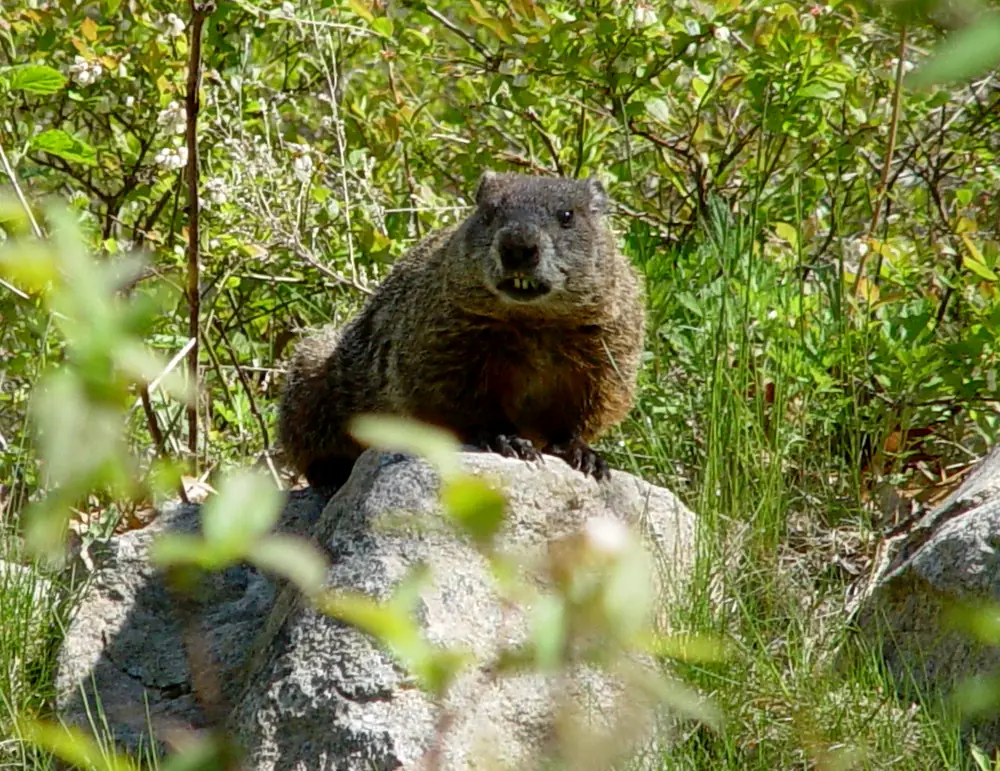
| Large clean entrance with excavated fan of soil | Groundhog or prairie dog | Wide burrow, daytime activity, nearby feeding damage |
| Shallow cone-shaped holes across turf | Skunk or raccoon | Overnight damage while searching for grubs |
| Broad disturbed patches and root damage | Armadillo or feral hog | Night activity, overturned sod, tracks |
Hole Diameter Is a Clue, Not Proof
Measure from one edge of undisturbed soil to the other. A ruler in the photo is better than estimating from memory. Hole diameter changes with loose soil and can overlap between species, so combine it with the mound, tracks, and time of day.
- Under about 2 inches: voles, small rodents, insects, or drainage issues are more likely than a large animal.
- About 2–4 inches: chipmunks, ground squirrels, and some small burrowing mammals become more plausible.
- About 4–8 inches: groundhogs, armadillos, skunks, or larger ground squirrels may be involved depending on your region.
- Much larger or repeatedly disturbed: inspect from a safe distance for a larger mammal, structural void, or erosion problem rather than assuming one species.
Do not reach into any burrow. A hole can contain an animal, young, snakes, insects, or unstable soil.
Use the Soil Pattern to Separate the Main Suspects
Moles: raised tunnels, not open doorways
Moles spend most of their time below ground. Their signature is a raised, winding ridge across lawn grass and a conical mound of loose soil. An open hole may appear where a tunnel collapses, but a neat open entrance is less typical. Compare the pattern in our mole vs. vole vs. shrew lawn guide.
Voles: small holes plus runways
Voles make shallow, worn paths through grass or mulch. Look for clipped grass and gnawing near ground level. They can be confused with moles, but they eat plant material while moles mainly chase invertebrates.
Groundhogs and prairie dogs: one obvious entrance
These animals create a burrow entrance you can usually spot from several feet away. The soil may form a fan or crescent near the opening. They are most often active during daylight, and nearby vegetable, flower, or grass damage can support the identification.
Skunks and raccoons: many shallow feeding holes
Skunks and raccoons often leave a scattered pattern of shallow holes rather than one tunnel entrance. They are looking for grubs and insects, so the turf can look peppered or peeled back after a single night. A motion camera is particularly useful here.
Armadillos: broad rooting damage in the South
Armadillos commonly create irregular, shallow excavations while feeding. In states where they occur, their digging can be more widespread than a mole's tunnel system. Our Texas armadillo yard-damage guide shows the field signs to compare.
Day or Night Changes the Odds
| When new damage appears | Useful clue |
|---|---|
| Mostly overnight | Skunks, raccoons, armadillos, and other nocturnal animals move higher on the list. |
| Mostly daytime | Groundhogs, squirrels, chipmunks, and prairie dogs are more likely candidates. |
| Damage keeps expanding with no animal seen | Moles or voles may be active below ground; inspect for ridges and runways. |
Time of day is not a guarantee. It is one clue to combine with a camera, tracks, and the hole itself.
Three Safe Ways to Confirm the Animal
- Use a trail camera. Aim it at the damaged area from about 8–15 feet away, facing north when possible to reduce glare. Do not bait wildlife just to get a photo.
- Look for tracks after rain or light watering. Photograph them with a coin or ruler for scale. Use our raccoon vs. opossum tracks guide if the prints are hand-like or five-toed.
- Check the location. Holes along a shed, deck, foundation, garden edge, or open field have different likely causes. A hole beside a foundation may also need a building or drainage inspection.
Find Your State Guide
Animal ranges matter. The same 4-inch hole means something different in Texas, New Jersey, and Oregon. Use the guide closest to your location for a locally relevant suspect list:
- Texas: animal digging holes in a yard
- California: animal digging holes in a yard
- Florida: animal digging holes in a yard
- Ohio: animal digging holes in a yard
- New York: animal digging holes in a yard
- Washington: animal digging holes in a yard
Before You Fill or Seal a Hole
Do not seal an active burrow until you know it is empty and that doing so is legal in your state. Many animals have young in seasonal nests or dens. For a hole beside a home, first rule out drainage failure and ask a qualified professional if you see foundation movement, a large void, damaged wiring, bats, or an animal that may be protected.
FAQ
What animal digs a small hole with no mound?
Voles, chipmunks, insects, and soil collapse can all create small openings without a large mound. Look for grass runways, gnawing, or repeated use of the same opening before assigning it to an animal.
What animal makes shallow holes in a lawn overnight?
Skunks and raccoons commonly make shallow holes while searching for grubs. The pattern is usually scattered rather than one deep tunnel entrance.
Should I pour chemicals into a burrow?
No. Do not pour fuel, pesticides, water, or other chemicals into a burrow. It can harm non-target wildlife, contaminate soil, create a hazard, and may violate product labels or local rules.
Can a snake make a hole in my yard?
Snakes generally use existing holes rather than digging their own. A “snake hole” is often a rodent burrow or another pre-existing opening. See our snake holes vs. rodent holes guide.
Sources
- UGA Cooperative Extension — Resolving Human–Nuisance Wildlife Conflicts
- Iowa State University Extension — Diagnosing Holes in the Yard
Identification guidance is informational. Confirm local wildlife rules before trapping, relocating, or excluding an animal.